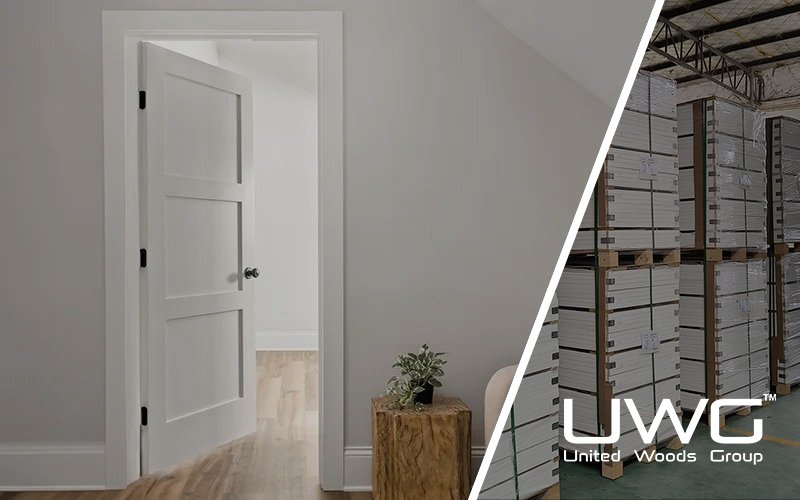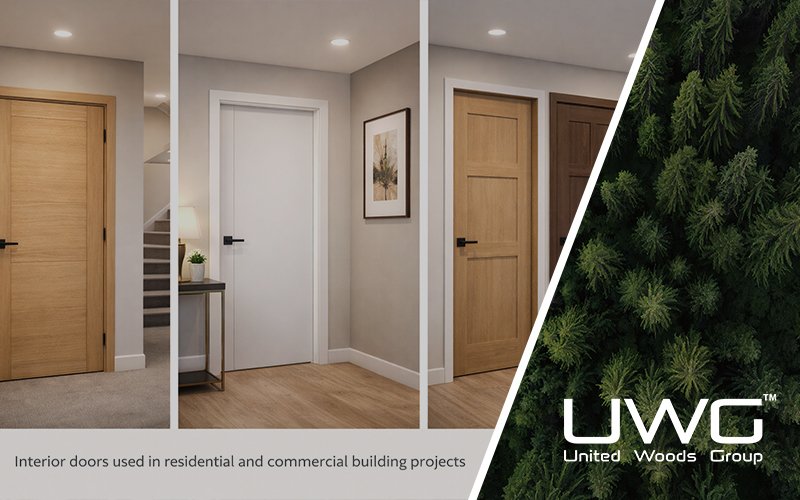
As builders, we face the painted vs stained interior doors decision on nearly every project, whether it’s a production build, a custom home, or a renovation. This choice affects not only material cost, but also labor efficiency, scheduling, client satisfaction, and long-term maintenance. Choosing the wrong finish can lead to callbacks, budget overruns, or design regrets. In this guide, I’ll break down the decision from a technical and practical builder’s perspective, so we can confidently select the right finish for each project.
Interior doors should be painted when consistency, budget control, and design flexibility are the top priorities. Stained doors are the better choice when showcasing natural wood, meeting premium design expectations, and delivering a high-end visual impact. For builders, the right finish depends on wood grade, labor and finishing costs, project scale, maintenance expectations, and the client’s long-term goals for the space, as well as resale considerations, construction timelines, and the level of finish quality the project is intended to represent.
With the short answer in place, let’s take a deeper look at how builders should evaluate painted vs stained interior doors across real-world construction conditions, budgets, and client demands.
Should interior doors be painted or stained?
When builders ask, “Should I stain or paint my interior doors?”, the underlying concern is usually about balancing appearance with efficiency.
Painted doors provide predictability. Paint-grade slabs allow manufacturers to use filled knots, finger-jointed wood, and MDF or engineered cores. From a builder’s standpoint, this means fewer rejected doors, faster approvals, and smoother installation schedules. Painted finishes also allow for easier touch-ups after drywall, flooring, and trim installation.
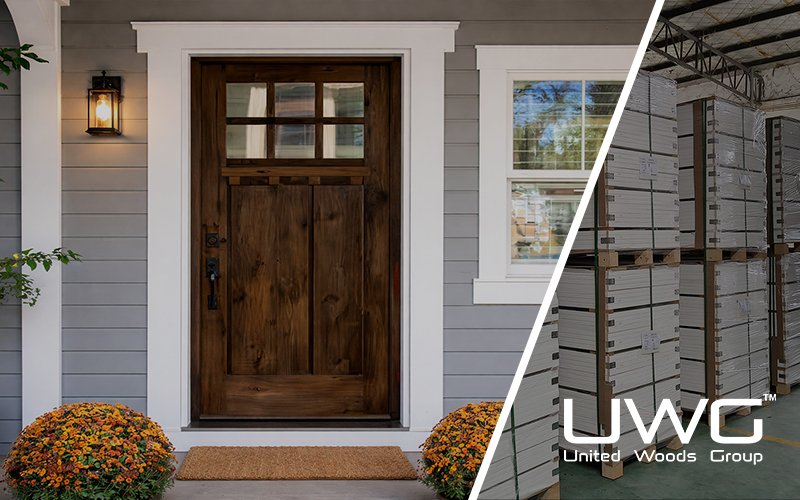
Stained doors, by contrast, require higher discipline throughout the process. Stain-grade doors demand premium lumber with minimal defects, consistent grain, and uniform color. Installation must be cleaner, since every mark can show through the finish. Finishing also takes longer and requires more skill. However, in custom or high-end homes, the natural wood appearance can significantly elevate the perceived quality of the build.
For most production and mixed-use projects, painted interior doors remain the safer and more efficient default. Stained doors work best when they are intentionally specified as a design feature.
Is stained trim outdated?
Stained trim — and stained interior doors by extension — is not outdated, but it has become more selective in modern construction.
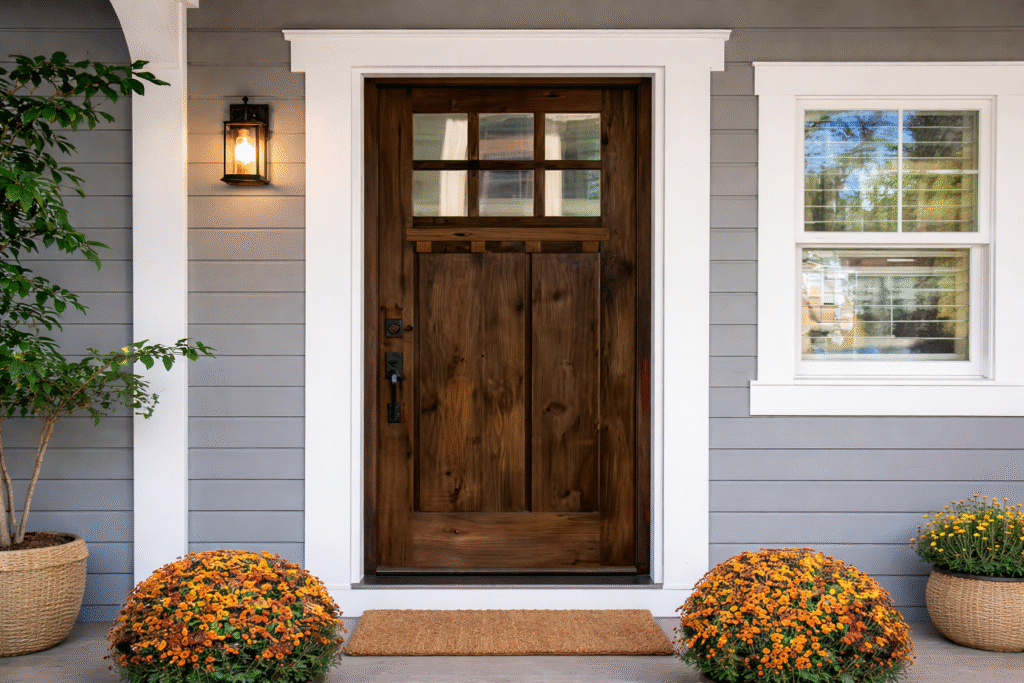
Across the US and Canada, lighter interiors with painted trim dominate new builds, particularly in suburban housing, townhomes, and multi-family projects. Painted doors align well with contemporary, transitional, and minimalist designs. That said, stained interior doors still play an important role in certain architectural styles, including:
- Craftsman and rustic homes
- Farmhouse and modern organic designs
- Custom homes with exposed beams or hardwood floors
From a builder’s perspective, consistency is critical. Stained doors look intentional when they connect visually with other wood elements. When they appear isolated, they can feel like a leftover design choice rather than a deliberate one.
What door finish adds the most value?
When we talk about value, builders should distinguish between resale value and perceived quality.
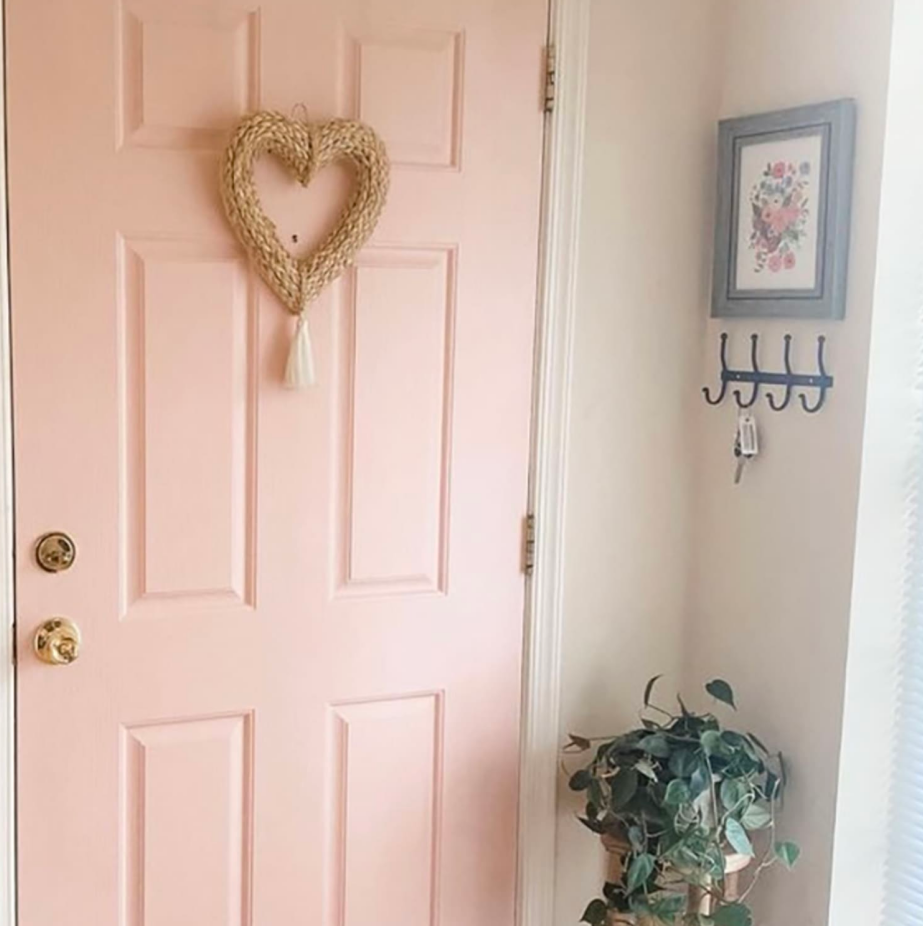
Neutral painted doors tend to add broader market appeal. They photograph well, feel clean and modern, and don’t limit future buyers to a specific design style. This makes them especially effective in homes built for resale or speculative markets.
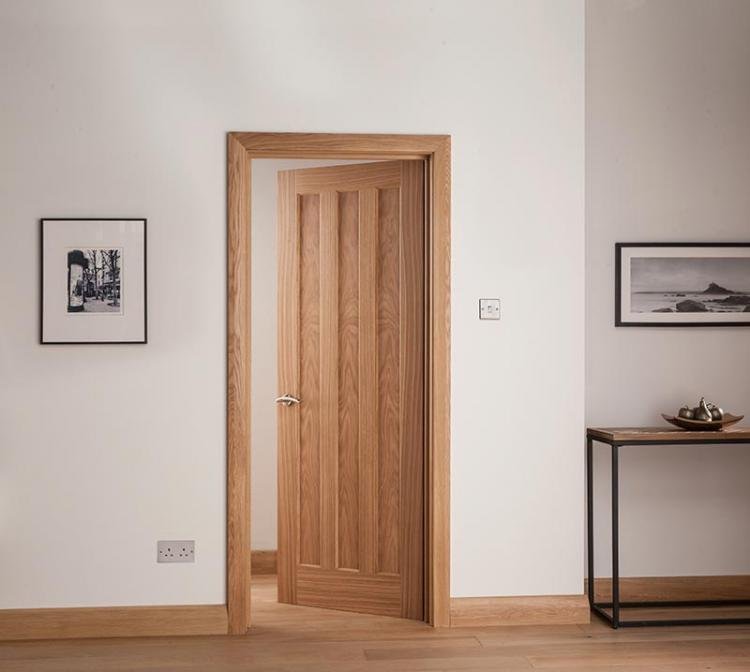
Stained interior doors can add perceived value when executed correctly. Premium wood species, well-chosen stain colors, and consistency across trim and flooring can make a home feel more custom and upscale. However, poorly executed stain work or mismatched tones can quickly have the opposite effect.
Ultimately, value is context-driven. The finish must align with the home’s price point and target buyer.
Painted vs Stained Interior Doors in Practice
Paint-Grade vs Stain-Grade Wood
Understanding stain grade vs paint grade wood is essential for accurate specifications.
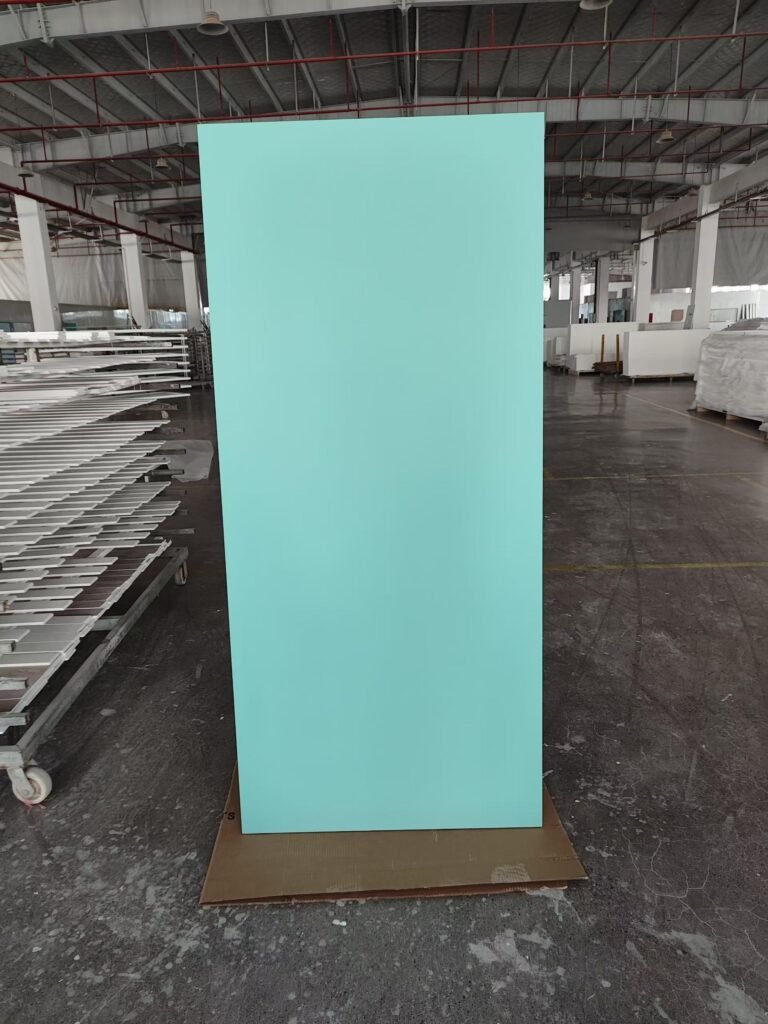
Paint-grade doors are manufactured with appearance flexibility in mind. They allow for repaired defects, mineral streaks, and finger joints. Many use MDF or engineered cores, which improve dimensional stability and reduce warping. After painting, these variations disappear, resulting in a uniform finish.
Stain-grade doors, on the other hand, expose everything. Grain pattern, color variation, and natural imperfections are all visible. This demands higher-quality lumber and tighter quality control. Builders should expect higher rejection rates and longer lead times.
Using stain-grade doors only to paint them is usually an inefficient use of budget.
Cost Comparison: Paint Grade vs Stain Grade
When comparing paint grade vs stain grade cost, builders should look beyond the door slab price.
Paint-grade doors typically offer savings through:
- Lower material costs
- Faster finishing processes
- Reduced rejection and replacement rates
- Easier job-site repairs
Stain-grade doors increase overall costs due to:
- Premium lumber requirements
- More labor-intensive finishing
- Slower production and installation timelines
- Skilled labor dependency
Durability and Maintenance
Painted doors tend to show scuffs, dents, and fingerprints more easily, especially in high-traffic areas. The advantage is repairability. Most damage can be filled, sanded, and repainted without removing the door.
Stained doors often hide minor wear better, but repairs are more complex. Matching stain color and sheen can be difficult, and refinishing often requires removing the door from the opening.
Builders should match finish durability with expected use, such as rentals, family homes, or showcase properties.
Design Consistency Across a Build
Painted interior doors excel in projects that require uniformity. They are easier to match across multiple phases, units, or elevations, making them ideal for large developments and production builds.
Stained doors introduce natural variation, which can enhance character in custom homes but create challenges in volume construction. Grain and color differences are inevitable, and builders must manage client expectations accordingly.
Can stain-grade wood be painted?
Yes, stain-grade wood can be painted, but builders should ask whether it makes financial sense.
Painting stain-grade doors may be justified when doors are already installed or when replacement is impractical. In new construction, however, specifying stain-grade doors for a painted finish usually wastes material value and budget.
Planning ahead at the specification stage avoids this issue entirely.
Professional Advice for Builders
Based on experience, successful builders tend to follow a few consistent principles:
- Default to painted interior doors unless there is a clear design reason to stain
- Use stained doors as a feature, not a compromise
- Coordinate door finishes with trim, flooring, and cabinetry early
- Educate clients about cost, maintenance, and durability differences
- Document finish decisions clearly in contracts and specifications
Clear communication and early planning reduce callbacks and protect margins.
Frequently Asked Questions About Door Finishes
Q: Can I buy a stain-grade door and decide to paint it later?
A: You can, but it is a massive waste of your project budget. Stain-grade doors use premium, clear-grain wood species which cost significantly more. If you plan to paint, you should order Paint-Grade doors (MDF or Finger-Jointed wood). Not only are they more cost-effective, but they actually take paint better and resist the joint cracking that happens when natural solid wood expands and contracts.
Q: Why does my stained pine door look blotchy and uneven?
A: Softwoods like pine and fir have uneven grain densities, causing them to absorb dark stains unpredictably. To prevent a “blotchy” look, your finishing contractor must apply a pre-stain wood conditioner first. For a truly premium stained finish without the hassle, we recommend specifying hardwoods like White Oak, Mahogany, or Walnut.
Q: What is the labor cost difference between painting and staining interior doors?
A: Staining is significantly more labor-intensive and expensive. It requires meticulous sanding, conditioning, applying the stain, and applying multiple protective clear coats (with light sanding in between). Painting is a faster, highly consistent process (often sprayed), and is much easier to touch up on the jobsite if the door gets scuffed during the final construction phases.
Q: Which finish is better for modern or contemporary home designs?
A: Painted doors, specifically in crisp whites, warm greiges, or bold charcoals, are the dominant choice for modern interiors in 2026. Stained doors are typically reserved for specific architectural styles that emphasize natural materials, such as Craftsman, Mid-Century Modern, or Rustic Farmhouse designs.
Summary
The painted vs stained interior doors decision isn’t about choosing a universally better option. It’s about selecting the finish that best fits the project’s budget, design intent, and long-term use. Builders who understand material grades, cost implications, and client expectations can make confident decisions that support both construction efficiency and overall project quality.
Articles that you may be interested in:
How to Choose Interior Doors for Apartments, Condos & Townhomes
{ “@context”: “https://schema.org”, “@graph”: [ { /* 1. Organization Entity */ “@type”: “Organization”, “@id”: “https://unitedwoods.group/#organization”, “name”: “UWG | United Woods Group”, “url”: “https://unitedwoods.group/”, “logo”: { “@type”: “ImageObject”, “inLanguage”: “en-US”, “@id”: “https://unitedwoods.group/#logo”, “url”: “https://unitedwoods.group/wp-content/uploads/logo-square.png”, “contentUrl”: “https://unitedwoods.group/wp-content/uploads/logo-square.png”, “width”: 600, “height”: 600, “caption”: “United Woods Group Logo” }, “image”: { “@id”: “https://unitedwoods.group/#logo” } }, { /* 2. WebSite Entity */ “@type”: “WebSite”, “@id”: “https://unitedwoods.group/#website”, “url”: “https://unitedwoods.group/”, “name”: “United Woods Group”, “description”: “Factory-Direct Building Materials”, “publisher”: { “@id”: “https://unitedwoods.group/#organization” }, “inLanguage”: “en-US” }, { /* 3. WebPage Entity */ “@type”: “WebPage”, “@id”: “https://unitedwoods.group/painted-vs-stained-interior-doors-how-to-choose-the-right-finish/#webpage”, “url”: “https://unitedwoods.group/painted-vs-stained-interior-doors-how-to-choose-the-right-finish/”, “name”: “Painted vs Stained Interior Doors: How to Choose the Right Finish”, “isPartOf”: { “@id”: “https://unitedwoods.group/#website” }, “about”: { “@id”: “https://unitedwoods.group/#organization” }, “primaryImageOfPage”: { “@id”: “https://unitedwoods.group/painted-vs-stained-interior-doors-how-to-choose-the-right-finish/#primaryimage” }, “datePublished”: “2026-02-25T10:00:00-06:00”, “dateModified”: “2026-02-25T10:00:00-06:00”, “inLanguage”: “en-US” }, { /* 4. Article Entity */ “@type”: “Article”, “@id”: “https://unitedwoods.group/painted-vs-stained-interior-doors-how-to-choose-the-right-finish/#article”, “isPartOf”: { “@id”: “https://unitedwoods.group/painted-vs-stained-interior-doors-how-to-choose-the-right-finish/#webpage” }, “author”: { “@type”: “Organization”, “@id”: “https://unitedwoods.group/#organization”, “name”: “UWG Technical Team” }, “publisher”: { “@id”: “https://unitedwoods.group/#organization” }, “headline”: “Painted vs Stained Interior Doors: How to Choose the Right Finish”, “description”: “Compare painted vs stained interior doors for your next building project. Learn the cost, labor, and maintenance differences between paint-grade and stain-grade wood.”, “mainEntityOfPage”: { “@id”: “https://unitedwoods.group/painted-vs-stained-interior-doors-how-to-choose-the-right-finish/#webpage” }, /* Note: Replace ‘exterior-stained-door.jpg’ with your ACTUAL English filename */ “image”: { “@type”: “ImageObject”, “@id”: “https://unitedwoods.group/painted-vs-stained-interior-doors-how-to-choose-the-right-finish/#primaryimage”, “url”: “https://unitedwoods.group/wp-content/uploads/2026/02/exterior-stained-door.jpg”, “width”: 1200, “height”: 675 }, “keywords”: [“painted vs stained interior doors”, “paint grade vs stain grade cost”, “best wood for stained doors”, “builder interior door finish”, “interior door design trends 2026”] }, { /* 5. FAQPage Entity */ “@type”: “FAQPage”, “@id”: “https://unitedwoods.group/painted-vs-stained-interior-doors-how-to-choose-the-right-finish/#faq”, “isPartOf”: { “@id”: “https://unitedwoods.group/painted-vs-stained-interior-doors-how-to-choose-the-right-finish/#webpage” }, “mainEntity”: [ { “@type”: “Question”, “name”: “Can I buy a stain-grade door and decide to paint it later?”, “acceptedAnswer”: { “@type”: “Answer”, “text”: “You can, but it is a massive waste of your project budget. Stain-grade doors use premium, clear-grain wood species which cost significantly more. If you plan to paint, you should order Paint-Grade doors (MDF or Finger-Jointed wood). Not only are they more cost-effective, but they actually take paint better and resist joint cracking.” } }, { “@type”: “Question”, “name”: “Why does my stained pine door look blotchy and uneven?”, “acceptedAnswer”: { “@type”: “Answer”, “text”: “Softwoods like pine and fir have uneven grain densities, causing them to absorb dark stains unpredictably. To prevent a ‘blotchy’ look, your finishing contractor must apply a pre-stain wood conditioner first. For a truly premium stained finish without the hassle, we recommend specifying hardwoods like White Oak or Mahogany.” } }, { “@type”: “Question”, “name”: “What is the labor cost difference between painting and staining interior doors?”, “acceptedAnswer”: { “@type”: “Answer”, “text”: “Staining is significantly more labor-intensive and expensive. It requires meticulous sanding, conditioning, applying the stain, and applying multiple protective clear coats. Painting is a faster, highly consistent process, and is much easier to touch up on the jobsite if the door gets scuffed.” } }, { “@type”: “Question”, “name”: “Which finish is better for modern or contemporary home designs?”, “acceptedAnswer”: { “@type”: “Answer”, “text”: “Painted doors, specifically in crisp whites, warm greiges, or bold charcoals, are the dominant choice for modern interiors in 2026. Stained doors are typically reserved for specific architectural styles that emphasize natural materials, such as Craftsman, Mid-Century Modern, or Rustic Farmhouse designs.” } } ] } ] }