Inset cabinets are known for their clean, custom-built appearance, but builders often ask whether that beauty is worth the extra time, cost, and precision. This article breaks down the pros and cons of inset cabinets in detail, helping you, the builder, determine when they’re the right fit for your projects and when other cabinetry styles might be a smarter choice.
Inset cabinets have doors that sit flush within the frame, offering a clean, custom look. They’re popular in high-end and traditional kitchens due to their timeless style. Pros include a refined appearance, architectural detail, and long-lasting construction. However, inset cabinetry comes with drawbacks: it typically costs more, offers slightly less interior storage space, and may require occasional maintenance due to seasonal humidity shifts. These are some of the most common concerns builders raise when evaluating cabinet types.
Now that we’ve summarized the most common builder concerns, let’s take a closer look at the essential design features, performance details, and where inset cabinets truly excel—or fall short.
Detailed Pros and Cons of Inset Cabinets
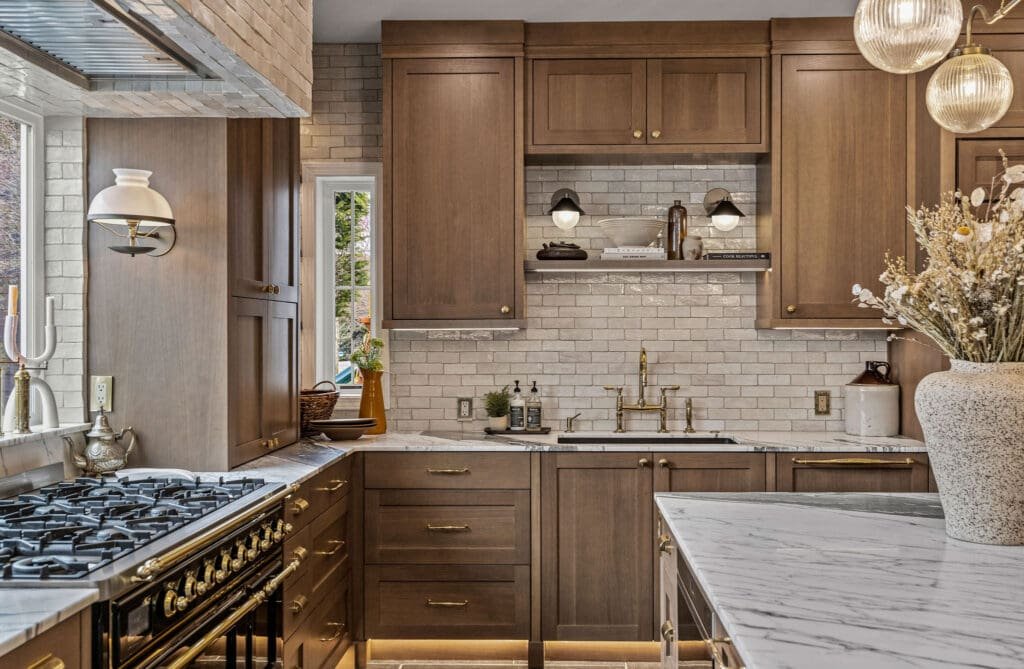
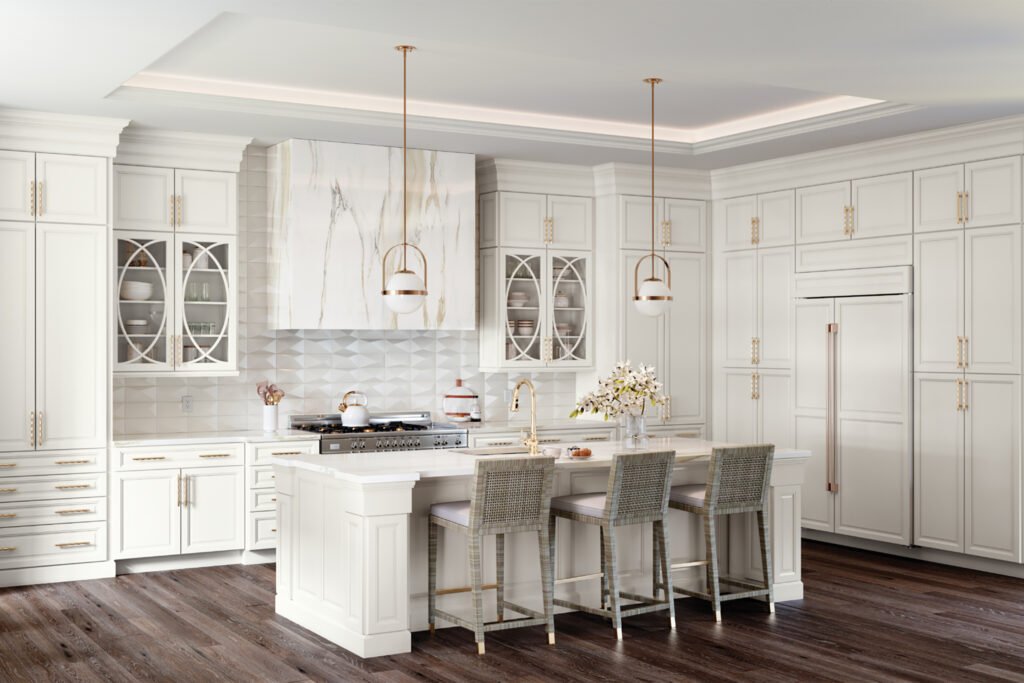
Inset cabinets are designed with doors and drawers that sit inside the cabinet face frame, rather than overlapping it. This offers a flush, streamlined look that clients often associate with custom furniture. For homeowners focused on aesthetics, this cabinetry style checks all the boxes.
Pros
- Custom, Built-In Look: Inset cabinets are prized for their furniture-like finish. They fit seamlessly into traditional or transitional kitchen designs, helping the space feel more refined and intentional.
- Timeless Appeal: Unlike some modern styles that may fall out of fashion, inset cabinetry has been around for centuries. Its classic design pairs well with a range of materials, finishes, and interior themes.
- Enhanced Protection: Since the doors are recessed into the cabinet frame, they’re less likely to suffer dings or scratches at the corners—especially helpful in high-traffic kitchens.
- Design Variety: Options like beaded or non-beaded frames let you customize the look further. Beaded frames add character, while non-beaded options keep things sleek.
- Adds Perceived Value: In custom homes or luxury remodels, inset cabinets are often viewed as a premium feature—potentially increasing property value or buyer appeal.
Cons
- Higher Price Point: Inset cabinets generally cost more than full overlay styles due to the labor-intensive build and precision required. For budget-conscious builds, this can eat into profits or limit client options.
- Slightly Reduced Storage: Because the doors and drawers are set into the frame, internal cabinet and drawer space is marginally smaller. In smaller kitchens, this could impact organization.
- Precision Install Required: Tolerances are tight—usually within 1/8 inch. Even slight misalignment can create visible gaps or rubbing, which means a skilled installer is non-negotiable.
- Maintenance Needs: Seasonal temperature and humidity changes can cause the wood to expand or contract. Builders should expect occasional service calls for realignment unless preventative materials are used.
- Hardware Required: Push-to-open systems typically don’t work well with inset cabinetry. That means knobs or pulls are mandatory, which limits minimalist design flexibility.
For builders, these pros and cons must be weighed against client expectations, regional climate, kitchen size, and available budget.
Are Inset Cabinets Hard to Maintain?
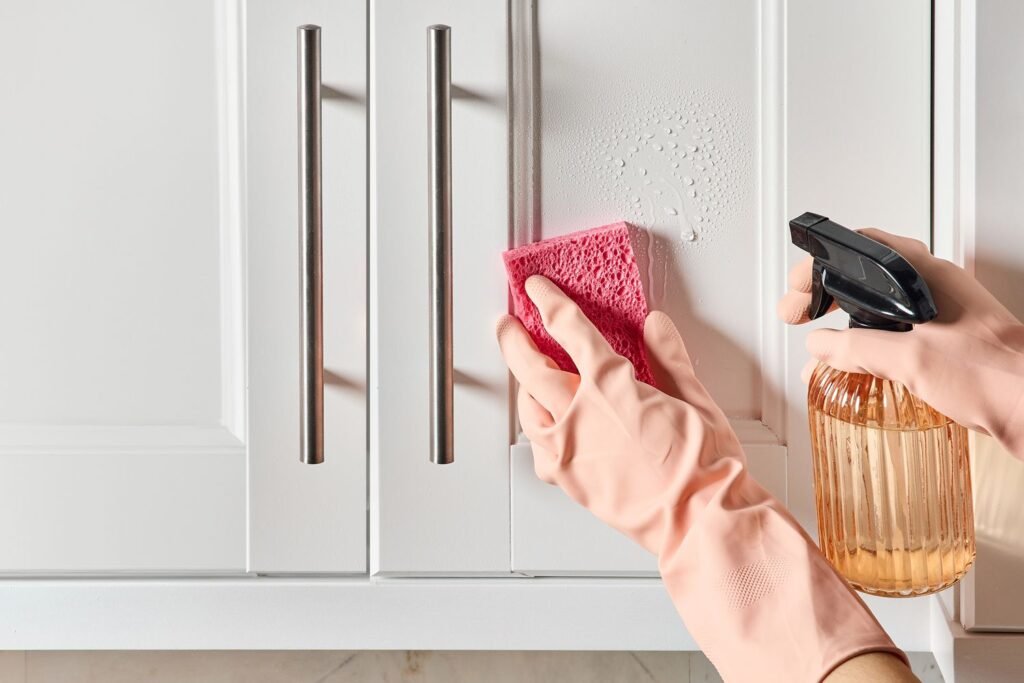
They’re not inherently hard to maintain—but they’re less forgiving than overlay cabinets. Because inset doors sit flush with the frame, even minor shifts in the wood or changes in hinge alignment can result in rubbing, sticking, or gaps that are immediately noticeable.
What causes this?
- Seasonal humidity can make natural wood expand or contract.
- In new homes, wood may settle in the first year, requiring small adjustments.
- Hinges may loosen slightly with use, especially if soft-close hardware isn’t used.
Preventative Builder Tips:
- Use quarter-sawn hardwoods or engineered wood doors to minimize movement.
- Let cabinetry acclimate in the home for at least 48–72 hours before install.
- Choose concealed, adjustable hinges that allow micro-adjustments post-install.
With these strategies, maintenance becomes minimal and manageable.
Inset vs. Overlay Cabinets: Which Is Better?
Both have their place in modern kitchen design. Here’s a breakdown to help builders recommend the best fit for each project:
| Feature | Inset Cabinets | Overlay Cabinets |
|---|---|---|
| Look | Flush, furniture-style finish | More pronounced, layered appearance |
| Storage | Slightly reduced internal space | Maximum drawer and cabinet capacity |
| Cost | Higher due to labor and precision | More budget-friendly |
| Install Difficulty | High – requires skilled labor | Easier and faster to install |
| Hardware Needs | Required (no push-to-open option) | Optional (push-to-open possible) |
| Maintenance | Moderate – needs seasonal adjustment | Low – rarely requires tuning |
| Best For | Custom, traditional, upscale kitchens | Modern, high-traffic, budget projects |
Builder Insight: If the project is custom, client expectations are high, and budget allows—inset is a great choice. If you’re working within tight timelines or budgets, full overlay cabinets often provide better value and flexibility.
What Are the Best Use Cases for Inset Cabinets?
Inset cabinets aren’t one-size-fits-all. Here’s where they shine—and where they don’t:
Best Use Cases:
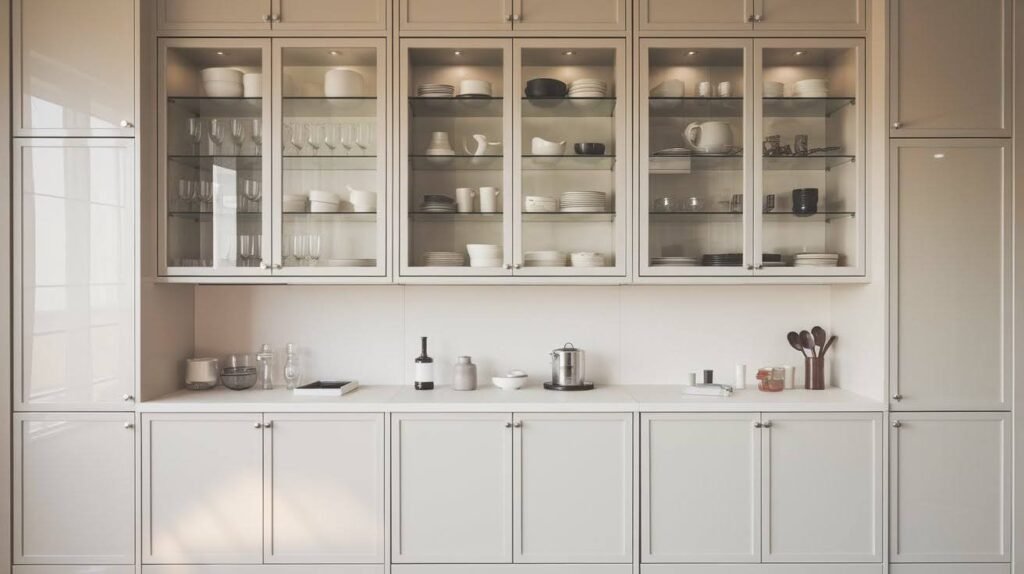
- High-end residential builds where clients want lasting design value
- Traditional, farmhouse, or transitional kitchens where inset style complements the architecture
- Climate-controlled environments where humidity won’t cause door movement
- Design-focused clients who appreciate detail and symmetry
- Homes with ample space where reduced drawer size is not a concern
Avoid When:
- Space is at a premium, such as in condos or small kitchens
- Minimalist, modern designs call for handle-less systems
- Projects are on tight deadlines or where labor costs must be minimized
- Budget is a priority, and clients can’t justify the premium price tag
Professional Advice
After installing and troubleshooting numerous inset cabinet projects, here are my best tips:
- Acclimate Materials: Never install immediately after delivery. Let the cabinets sit in the space for 48–72 hours.
- Use the Right Hinges: Soft-close, six-way adjustable concealed hinges will save you time and callbacks.
- Avoid MDF for Doors: Inset cabinetry needs the strength and dimensional stability of hardwood.
- Build in Time Buffers: These installs take longer—add 15–20% more time in your project timeline.
- Communicate Early with Clients: Make sure they understand what they’re getting—especially the need for regular tune-ups.
- Prep for Humidity: In areas with seasonal changes, use kiln-dried lumber and seal all edges properly to reduce swelling risk.
If you plan ahead and use the right components, inset cabinets will look and perform like the premium product they are.
Summary
Inset cabinets offer elegance, craftsmanship, and timeless appeal—but they demand more precision, time, and budget than overlay styles. While not ideal for every build, they’re a great investment in custom homes and traditional kitchens where visual detail matters. Do you have any difficulties or experiences to share? Please contact us.