SPC flooring is popular for its durability and affordability, but installation mistakes can turn savings into serious losses. From poor subfloor prep to skipping acclimation, small oversights can lead to warping, lifting, and costly repairs. Avoiding these errors protects your profit margins—and your reputation.
The most common and costly SPC flooring installation mistakes include failing to level or clean the subfloor, skipping floor acclimation, ignoring required expansion gaps, using the wrong tools or adhesives, and rushing the layout. These errors can lead to buckling, gapping, or uneven flooring, requiring expensive rework.
Let’s break down these critical mistakes—and how builders can avoid them—before they eat into your time, budget, and customer satisfaction.
Why Subfloor Prep Is the #1 SPC Flooring Mistake
One of the most overlooked steps is proper subfloor preparation. Installers often lay SPC planks over surfaces that aren’t clean, flat, or dry. This causes floating floors to shift, lift, or buckle—especially under heavy loads.
Use a long level or straightedge to check for dips or humps. Any unevenness greater than 3mm over 2 meters needs grinding or patching. Clean all debris, adhesive residues, and dust thoroughly. Subfloor moisture must also be within tolerance to avoid mold or cupping.
Does SPC Flooring Need Time to Settle Before Use?
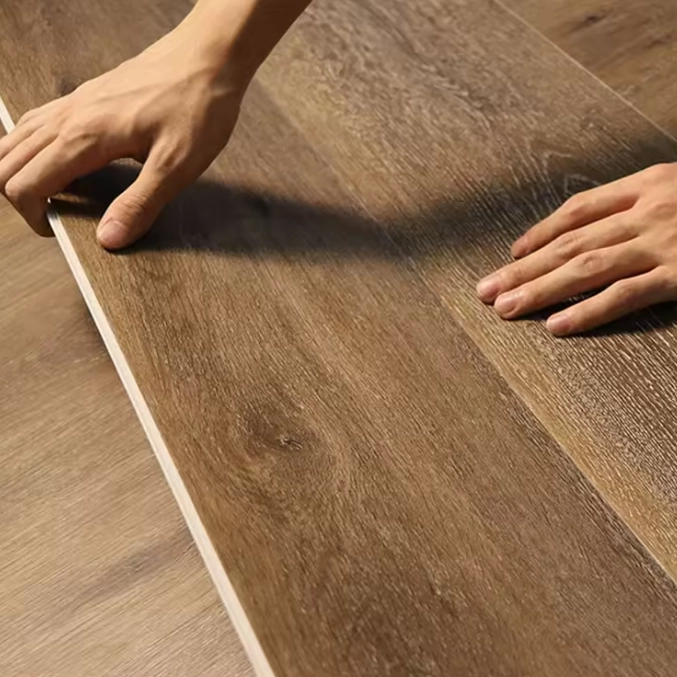
Yes, and it’s a step often skipped by crews rushing to meet deadlines. While SPC is more dimensionally stable than traditional vinyl, it still benefits from settling.
Let the installed floor rest for at least 48 hours before placing heavy objects or appliances. This allows the click-lock joints to stabilize under real-world pressure and temperature.
Why Expansion Gaps Matter in SPC Installations
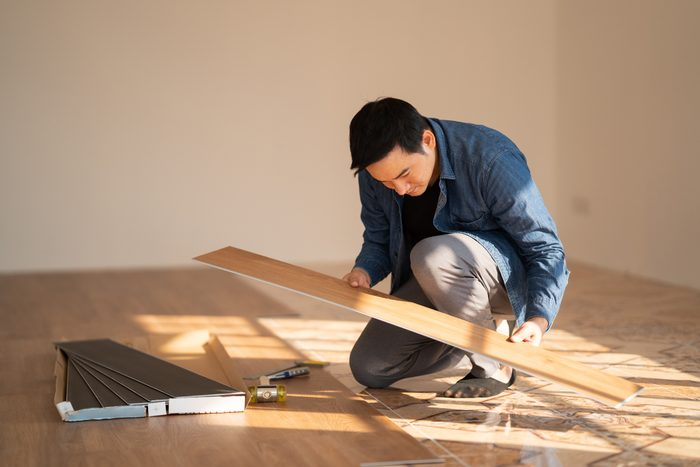
SPC doesn’t expand as much as hardwood, but temperature changes and humidity still affect it. Failing to leave a 10mm expansion gap around walls, columns, and fixed furniture is a fast track to floor warping.
This is especially important in large rooms or open-plan spaces. Use spacers along the wall perimeter and never install planks flush to the surface.
Skipping Acclimation: The Silent Profit Killer
Acclimation may sound optional, but skipping it can lead to post-installation movement. Even rigid-core SPC flooring needs 24 to 48 hours in the installation environment to adjust to temperature and humidity.
Leave the boxes in the room, flat and unopened. This allows the product to equalize, minimizing gapping or lifting after install.
SPC Flooring Installation on Concrete: What to Watch Out For
Concrete subfloors introduce several challenges. Moisture is the biggest. Always test for moisture vapor emissions before installation. High humidity can seep through the concrete and destabilize the SPC core.
Use a suitable vapor barrier if required, especially in ground-level units or basements. Also, check that the slab is level—SPC doesn’t tolerate dips or cracks like sheet vinyl might.
[Insert placeholder for vapor barrier standards resource]
Common Alignment and Layout Errors (and How to Prevent Them)
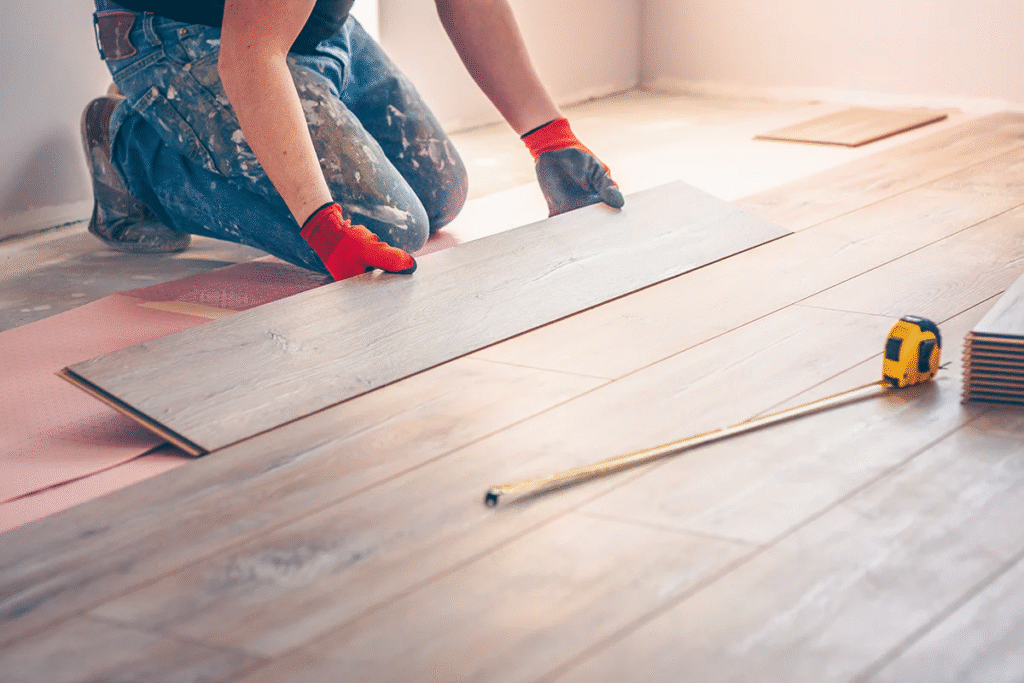
Photos of SPC flooring installation mistakes often show staggered gaps, misaligned patterns, or “stair-step” layouts. These errors are usually caused by rushing the layout or failing to plan cuts in advance.
Always dry-fit the first few rows. Use chalk lines to ensure a straight starting point. Avoid creating H-joints or repeating plank patterns that make the floor look unnatural.
Need visual guidance? Search “SPC flooring installation mistakes pictures” or check YouTube tutorials for layout do’s and don’ts.
[Insert placeholder for SPC layout video link]
Can You Fix SPC Installation Failures? (Spoiler: Sometimes)
Small issues like lifted planks or minor gaps can sometimes be repaired using an SPC floor repair kit, which typically includes adhesive, color-matched fillers, or replacement boards.
However, structural mistakes—like installing over a warped subfloor or failing to use a vapor barrier—often require removing and reinstalling large sections. That’s time, labor, and money you don’t want to lose.
The Hidden Disadvantages of SPC Flooring Installations
While SPC is praised for its strength, builders should know its weaknesses too:
- It’s less forgiving of installation errors than laminate or WPC.
- It can feel cold and hard underfoot without underlayment.
- Repairing mistakes often means pulling up large sections.
Understanding these limitations can help you make better choices for different project types.

Final Thoughts
SPC flooring is only as good as its installation. Avoiding these common mistakes protects your bottom line and ensures satisfied clients