Wall molding transforms bland walls into bold design statements. Yet many builders overlook its power. Instead of repainting again, imagine textured layers, geometric grids, or sleek modern trim redefining your space. Let’s explore wall moulding ideas that are simple to install—but make a huge visual impact.
The most creative wall moulding ideas in 2025 include picture frame molding, board and batten, geometric paneling, chair rail accents, and decorative corner blocks. These styles offer more than just aesthetic appeal—they add structure, rhythm, and texture to otherwise plain walls. Builders are also embracing new trends like textured wall overlays, oversized baseboards, and ultra-clean minimalist trim, which are perfect for modern and transitional spaces. Whether you’re upgrading a living room, refining a bedroom, or creating a standout hallway, these molding techniques elevate the interior without major renovations.
Let’s walk through the most talked-about wall molding trends, common questions, and 10 creative ideas you can use right now.
What is the trend in 2025 wall trim?
The direction is clear: clean lines and simplified shapes. Instead of the highly ornate crown moldings of the past, homeowners are choosing wider baseboards (5–7 inches) and flat, square casings. These choices suit modern and transitional homes. Builders also prefer this minimalist trim because it’s faster to cut, install, and paint—making it ideal for tight timelines. In open-plan interiors, such as loft apartments and modern suburban homes, this trim style reinforces clean geometry and openness, especially when carried throughout the space with consistency.
How can I make my walls look interesting?
Think beyond color. Walls become visually compelling when they have texture, shape, and lighting. For example, use full-wall molding behind a TV unit, frame large art prints with trim, or create a 3D panel behind the bed. Mix vertical and horizontal elements. Install dimmable LED lights within molding frames to add mood lighting in bedrooms. For luxury homes, consider adding molding to the ceiling plane as well, creating continuity from wall to ceiling with coffered or tray designs. And of course, molding is timeless—it won’t go out of style like wallpaper or trendy paint colors.
10 Creative Wall Molding Ideas to Inspire Your Next Build
1. Classic Picture Frame Molding
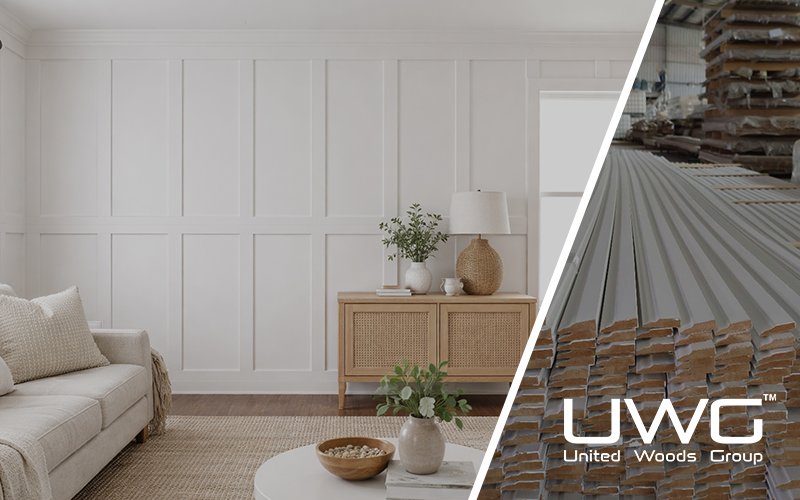
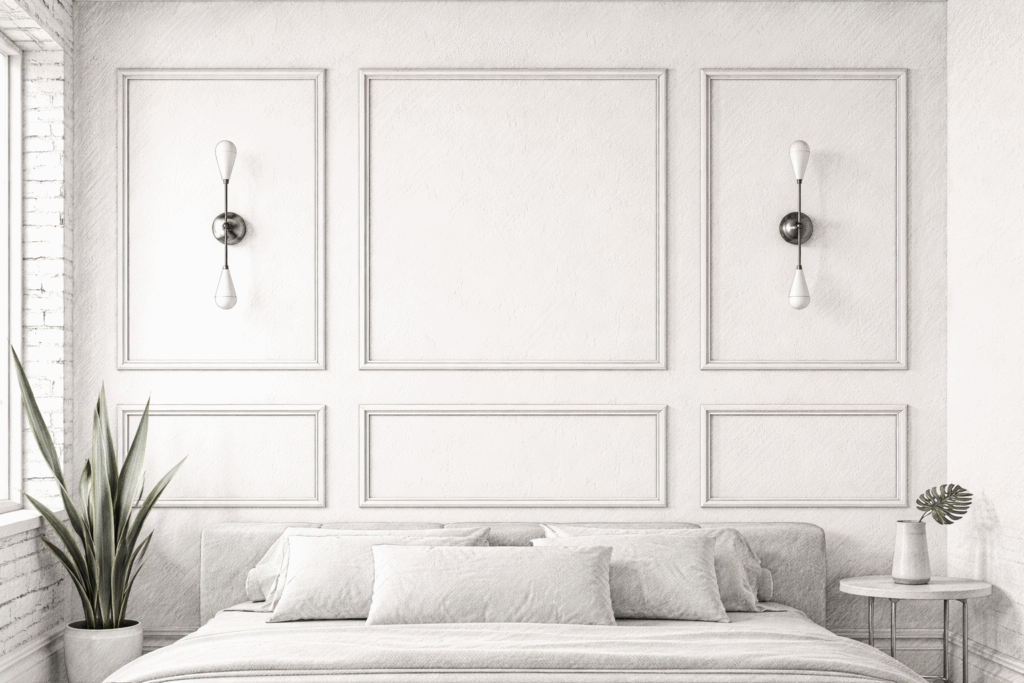
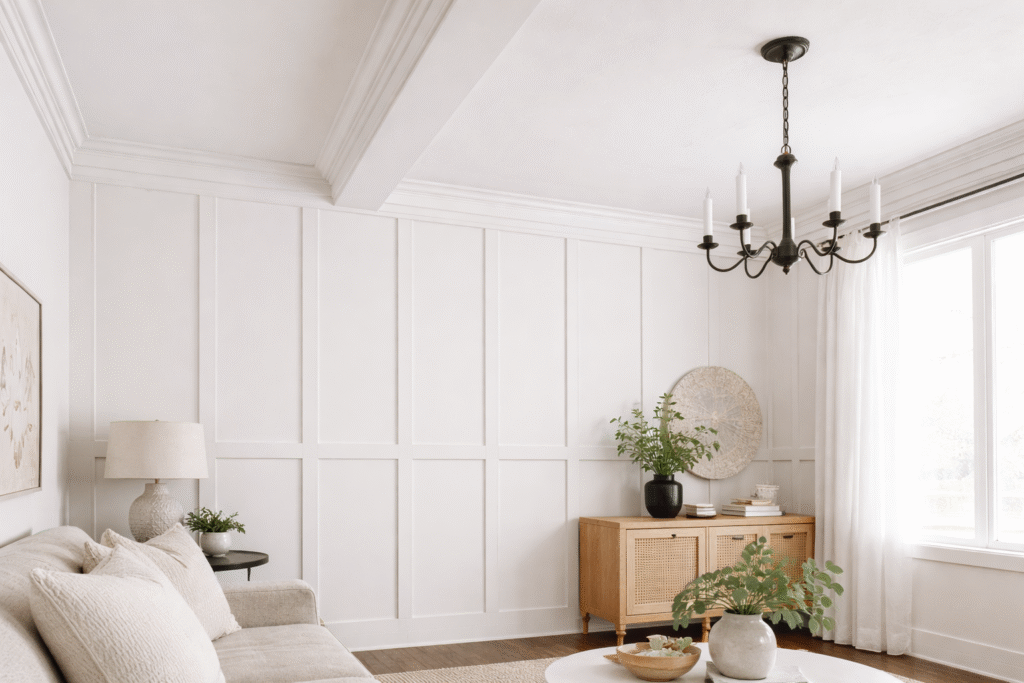
This timeless style mimics the look of actual frames on the wall. Install square or rectangular trim in evenly spaced rows across a wall. For high-end homes, combine this with wainscoting below a chair rail or layer wallpaper within each box. It works best in formal living rooms, dining areas, or stairways. Tip: Always measure twice to ensure symmetry between boxes.
2. Modern Geometric Wall Grids
This creative twist uses precise, repeating patterns to form a modern statement. Consider diamond shapes, asymmetrical layouts, or vertical-to-horizontal intersections. Builders can use this method to easily upgrade an accent wall without structural changes. Great for media rooms, offices, or minimalist homes. Suggest matte finishes in dark gray, sage, or navy for a bold modern feel.
3. Elegant Chair Rail Dividers
More than decorative, chair rails serve a practical purpose—protecting walls from furniture damage. Combine with two-tone wall treatments: darker color or patterned wallpaper below the rail, a lighter neutral above. Ideal for dining rooms and hallways. Use a simple square profile or a curved colonial style based on the client’s taste.
4. Full-Wall Board and Batten
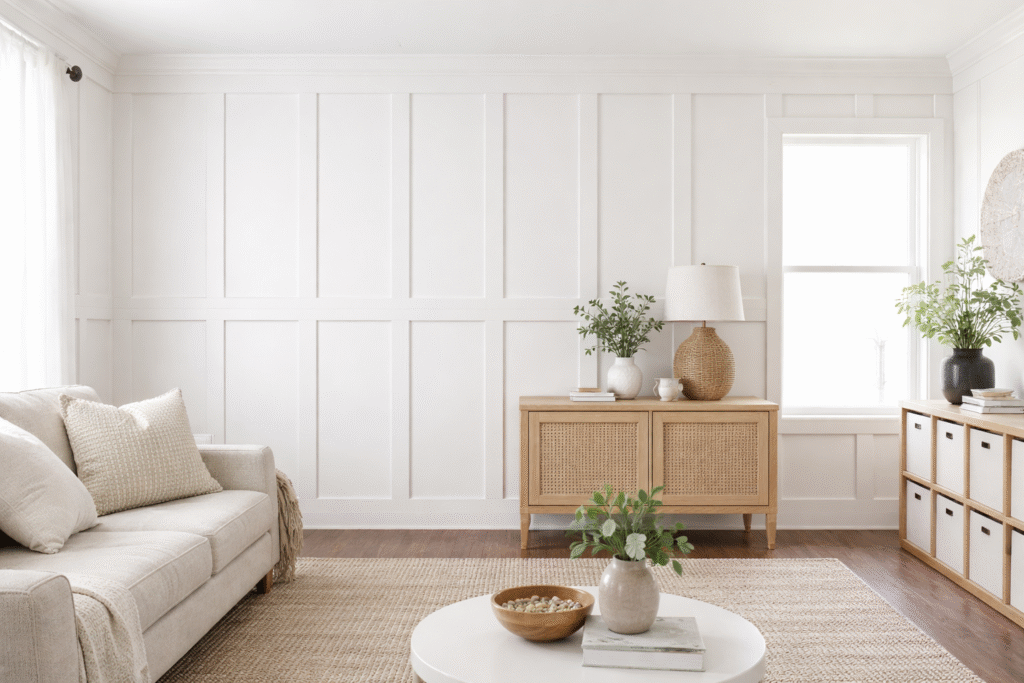
Popular in modern farmhouse and coastal designs, this involves running vertical battens (1×2 or 1×3 trim) over a flat panel or drywall. It adds rhythm and height to any space. Builders can space battens 12–18 inches apart for varied looks. Excellent for bedrooms, entryways, or transitional-style homes.
5. Layered Paneling with LED Lighting
Add ambient depth with backlit molding. Use a double layer of trim to create a gap behind which LED tape can be installed. This technique elevates bedrooms and lounge spaces with indirect lighting that highlights architectural features. Use dimmers for a luxury touch.
6. Vertical Slats for Scandinavian Touch
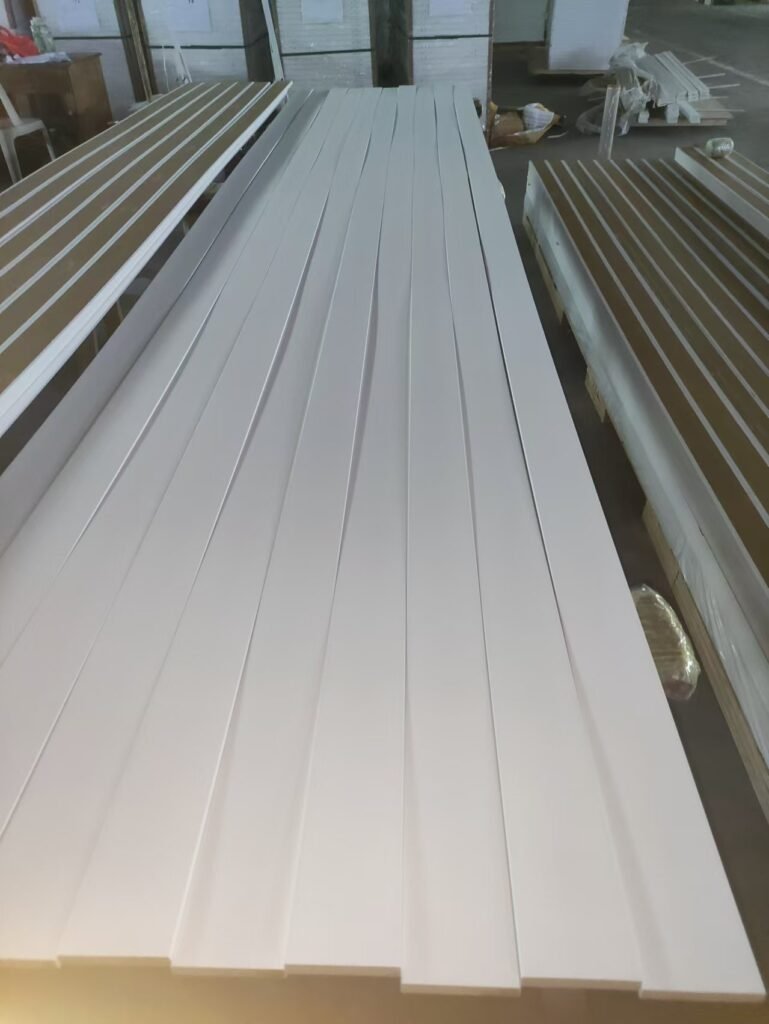
Install slender wooden slats vertically across one full wall, spacing them about 1 to 2 inches apart. This look enhances perceived ceiling height and creates natural movement in the room. Raw wood tones bring warmth, while painted slats offer contrast. Best for minimalist interiors or cozy reading nooks.
7. Wainscoting for Cozy Vibes
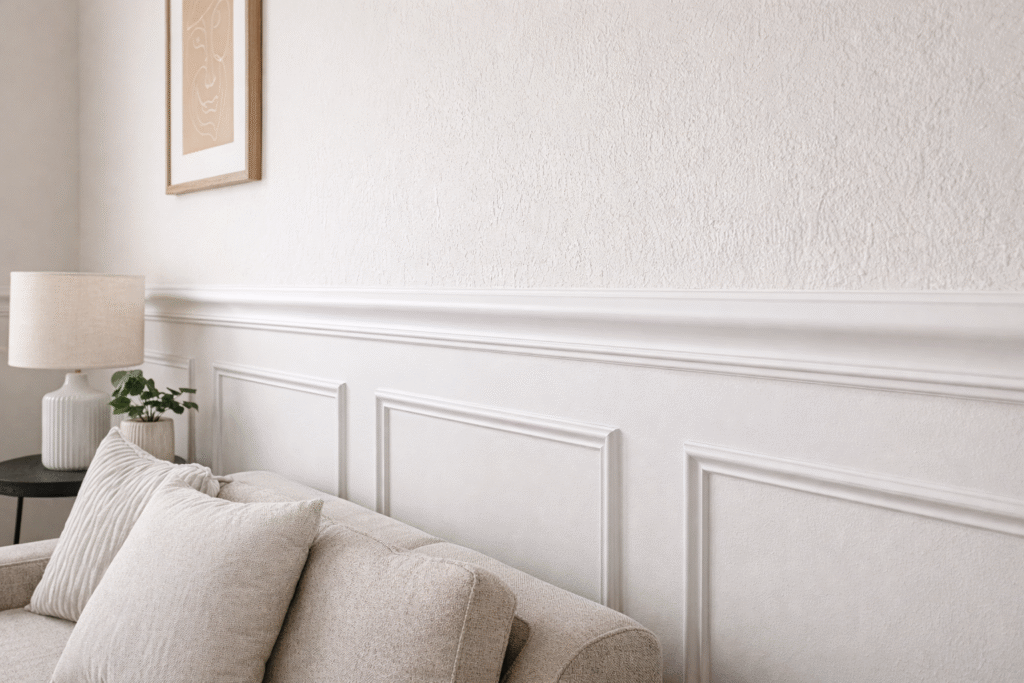
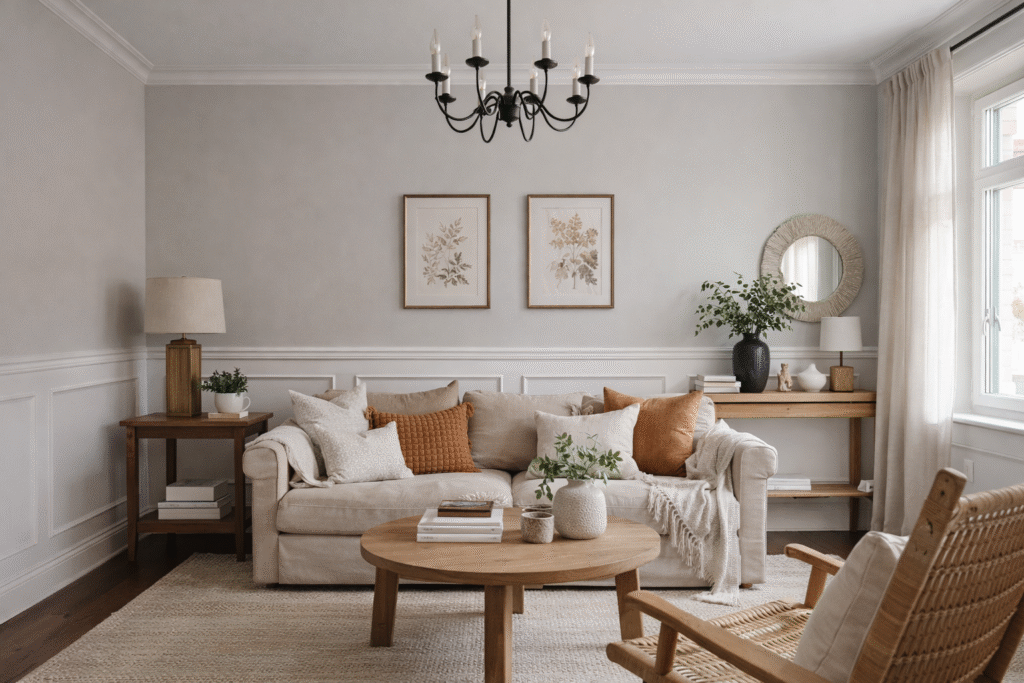
This half-wall paneling style remains a favorite for its classic appeal. Builders can use beadboard for a cottage look or flat panels for a clean, modern version. Paint it a calming neutral for bedrooms or a high-gloss white for hallway durability. Combine with crown molding to visually “frame” the room.
8. Crown + Ceiling Mold Transitions
Ceiling molding is often neglected but has high visual return. Use stepped crown molding or continuous trim across coffered ceilings. In larger spaces, this can make the room feel more structured. Add medallions around chandeliers for a finishing touch. In modern builds, opt for a simple 1-inch reveal with LED lighting.
9. 3D Decorative Trim Corners
Break away from plain right-angle corners by adding scrollwork, fluted columns, or rosettes. These trim pieces elevate traditional moldings and are often used in high-end or restoration projects. Builders working on older properties can recreate period detail with these off-the-shelf components.
10. Paintable Wall Molding Kits
For efficiency, especially in volume home building, consider pre-cut kits. These can be installed quickly using adhesive and brad nails, then painted to match the wall or contrast it. Ideal for builders working under time constraints but aiming for a high-end look. Great for bedrooms, rental units, and show homes.
Professional Advice for Builders
As a builder, installing molding is more than a visual choice—it’s about value engineering, efficiency, and resale value. Here’s how to deliver the best result:
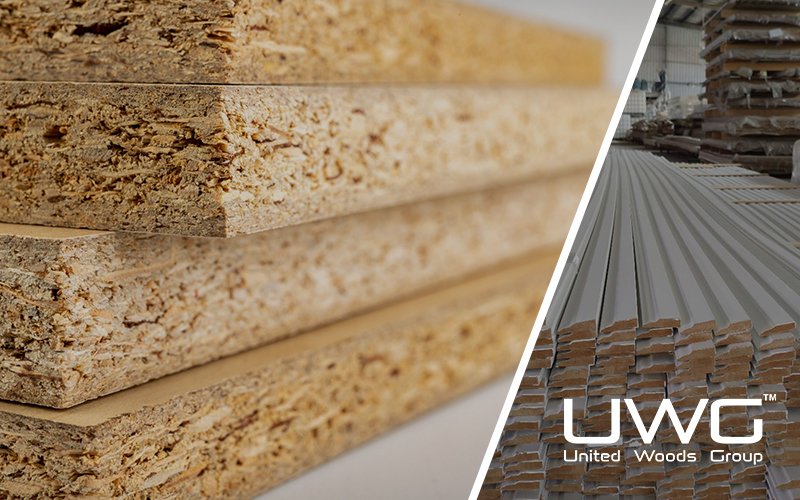
- Material Selection Matters: MDF is cost-effective and easy to work with but can swell with moisture. Wood offers better durability but takes more prep. Polyurethane is flexible for curves or uneven walls.
- Precision First, Speed Second: A rushed install often leads to gapping or uneven cuts. Always double-check your cuts and prepaint in batches for speed during finishing.
- Client Education Upsells: Most clients don’t request molding upfront—show them renderings or completed samples. Explain the value: it increases perceived property value and is cheaper than custom millwork.
- Match Styles to Homes: Modern homes benefit from flat trim; traditional homes shine with ornate molding. Guide clients by showing molding examples by style: transitional, Scandinavian, farmhouse, classic.
- Prep is Half the Job: Especially in remodels, wall prep matters. Fill dents, sand smooth, and ensure surface adhesion before nailing. A clean wall is essential for a professional finish.
Summary
Wall molding is more than just trim—it’s a tool for visual transformation. With smart design choices and pro techniques, you can turn any flat surface into a stylish statement. Try one of these ideas in your next project, and your walls won’t just blend in—they’ll stand out