Interior door prices have become increasingly difficult to predict in 2026. Builders, contractors, and procurement teams are seeing more frequent price adjustments caused by raw material volatility, manufacturing costs, and global logistics disruptions.
In real project procurement, interior door pricing rarely depends on just one factor. Instead, it is shaped by a combination of materials, manufacturing efficiency, labor costs, transportation, and market demand.
Interior door pricing in 2026 is primarily influenced by material costs, manufacturing and labor expenses, logistics, and trade policies such as tariffs. Raw material fluctuations, factory automation levels, and supply chain disruptions can significantly affect final costs. Market trends—including increased demand for solid core doors and sustainable materials—are also shaping pricing for builders, contractors, and distributors in the U.S. market.
Understanding these factors helps project teams estimate costs more accurately and reduce the risk of unexpected budget increases during construction.
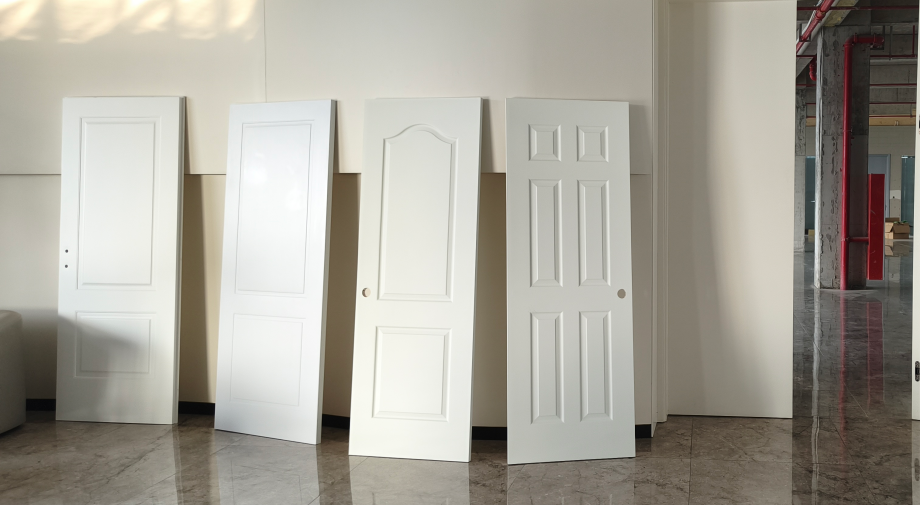
Material Costs
Material costs remain one of the largest contributors to interior door pricing. Raw materials such as lumber, MDF, veneers, and core components determine the baseline manufacturing cost for interior doors.
Different materials vary significantly in availability, durability, and processing complexity. These differences directly affect the final door price.
Typical materials used in interior door production include:
- Solid wood components
- MDF or HDF door skins
- Veneer or laminate finishes
- Honeycomb or solid-core internal structures
Engineered materials such as MDF and HDF are widely used in modern door manufacturing because they provide consistent quality and cost efficiency for large-scale production. In contrast, solid wood doors typically carry higher material costs due to timber sourcing, drying, and processing requirements.
Material selection also creates clear price ranges between different door types in the U.S. market.
| Door Type | Typical Price Range (U.S.) | Key Material Structure |
| Molded Hollow-Core Doors | $80 – $200 | MDF skin + honeycomb core |
| Shaker Interior Doors | $150 – $400 | Engineered wood frame + panel |
| Solid Core Interior Doors | $200 – $600+ | Composite or solid core |
Solid core doors are generally more expensive because they use denser internal materials that provide better durability, sound insulation, and perceived quality.
According to industry reports from the National Association of Home Builders (NAHB), lumber and engineered wood products have experienced periodic price fluctuations due to supply constraints and global demand for construction materials.

Manufacturing & Labor Costs
Beyond materials, manufacturing and labor expenses significantly affect interior door pricing.
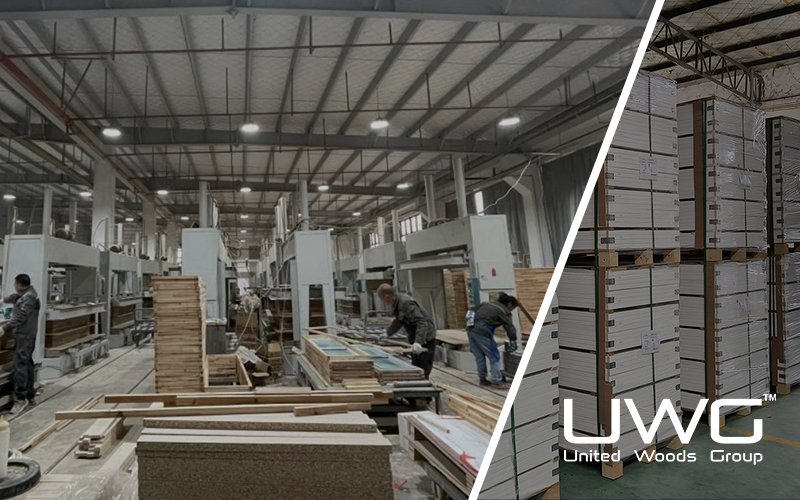
Interior door production involves multiple stages, including:
- CNC cutting and machining
- Door core assembly
- Pressing and lamination
- Surface finishing
- Quality inspection and packaging
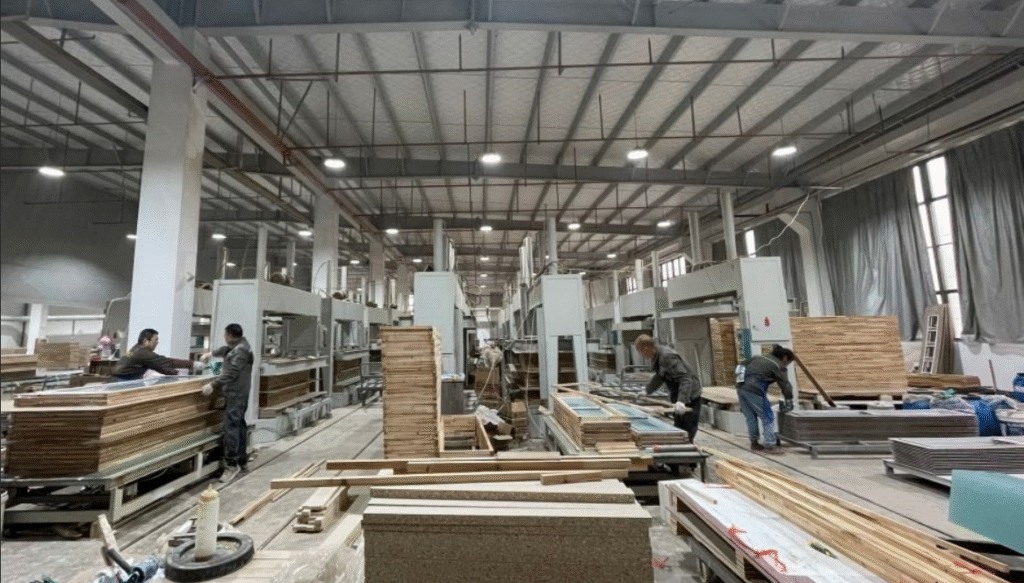
Factories that rely heavily on manual production typically face higher labor costs and lower production efficiency. In contrast, manufacturers that invest in automation can produce doors more consistently and at a lower per-unit cost.
Key manufacturing cost drivers include:
- Automation vs manual production
- Skilled labor availability
- Wage increases in manufacturing regions
- Production scale and factory efficiency
- Equipment investment and maintenance
For large housing developments or multifamily projects, manufacturers with automated production lines often provide more stable pricing and shorter lead times.
Logistics & Supply Chain
Logistics and transportation costs also play an important role in determining interior door prices.
Interior doors are large and bulky products, which means freight and handling costs can significantly impact total procurement expenses.
Many U.S. builders and distributors source doors from international manufacturers. In these cases, the total landed cost includes:
- Factory price
- Ocean freight
- Fuel surcharges
- Port handling fees
- Domestic transportation
Major logistics cost drivers include:
- Ocean freight rates
- Fuel price fluctuations
- Container availability
- Port congestion and delays
- Inland trucking costs
During periods of supply chain disruption, freight rates can rise rapidly, increasing the total cost of imported building materials.

Cost Impact Summary
The following table summarizes the key factors affecting interior door pricing in 2026.
| Cost Factor | Key Drivers | Impact on Door Pricing |
| Raw Materials | Lumber prices, MDF/HDF supply, veneers | High |
| Manufacturing | Labor costs, automation level | Medium–High |
| Logistics | Freight rates, fuel prices | Medium |
| Tariffs & Trade Policy | Import duties, regulations | Medium |
| Market Demand | Housing starts, construction activity | Medium |
| Door Design | Solid core, glass inserts, customization | Medium |
For the U.S. market, tariffs and trade regulations can also affect the landed cost of imported doors.
Market Trends in 2026
Several industry trends are shaping interior door pricing in 2026.
First, continued growth in U.S. residential housing and multifamily construction is increasing demand for interior doors. According to the U.S. Census Bureau Housing Starts Report, housing construction activity remains a major driver of building material demand.
Second, developers are increasingly specifying solid core interior doors rather than hollow-core models. Solid core doors provide improved sound insulation and durability, making them popular in apartments, hotels, and office buildings.
Third, sustainability requirements are becoming more common in modern construction projects. Many developers now require certified wood sources or low-emission finishes, which can influence both material sourcing and manufacturing costs.
Together, these trends are gradually reshaping the interior door market in 2026, affecting both product specifications and pricing structures.
How Buyers Can Control Door Costs
Although many pricing factors are outside a buyer’s direct control, builders and procurement managers can still manage costs through strategic purchasing decisions.
Some effective approaches include:
Standardizing door specifications: Using consistent door sizes and designs across a project simplifies manufacturing and helps reduce production costs.
Ordering in bulk: Large project orders allow manufacturers to optimize production schedules and offer more competitive unit pricing.
Planning procurement early: Early purchasing helps avoid sudden price increases caused by raw material shortages or freight spikes.
Selecting the appropriate door construction: Choosing between hollow-core and solid-core doors based on project requirements can significantly influence the total budget.
Working with reliable suppliers: Experienced manufacturers with stable supply chains can provide column quality, predictable pricing, and dependable lead times.
By applying these strategies, project teams can better control interior door procurement costs while maintaining project performance and timelines.

Frequently Asked Questions About Interior Door Pricing
Q: What factors are primarily driving interior door pricing in 2026?
A: Interior door pricing in 2026 is primarily influenced by raw material costs (like lumber and MDF), manufacturing and labor expenses, logistics and ocean freight, and international trade policies such as tariffs.
Q: What is the typical price range for different interior door types?
A: In the U.S. market, molded hollow-core doors typically range from $80 to $200, Shaker interior doors from $150 to $400, and solid core interior doors from $200 to $600+, depending on finishes and core materials.
Q: How do manufacturing methods affect door costs?
A: Factories that rely heavily on manual production face higher labor costs and variability. In contrast, manufacturers investing in high automation can produce doors more consistently and at a lower per-unit cost, offering much more stable pricing for large volume builders.
Q: Why do solid core doors cost more than hollow-core doors?
A: Solid core doors are more expensive because they use much denser internal materials (such as composite or solid wood). This provides significantly better durability, sound insulation (STC ratings), and a higher perceived quality compared to the lightweight honeycomb structure of hollow-core doors.
Summary
Interior door pricing in 2026 is influenced by a combination of factors, including raw material costs, door construction, manufacturing efficiency, logistics, and global market conditions. Trends such as increasing demand for solid core doors and sustainable materials are also shaping pricing structures across the industry.
By understanding these cost drivers and planning procurement strategies early, builders and project managers can better manage budgets and reduce pricing risks.
As an experienced interior door manufacturer and supplier, we offer a wide range of door styles, core constructions, and customization options to support residential and commercial projects. Our stable production capacity and supply chain help ensure consistent quality and reliable delivery for different project requirements.