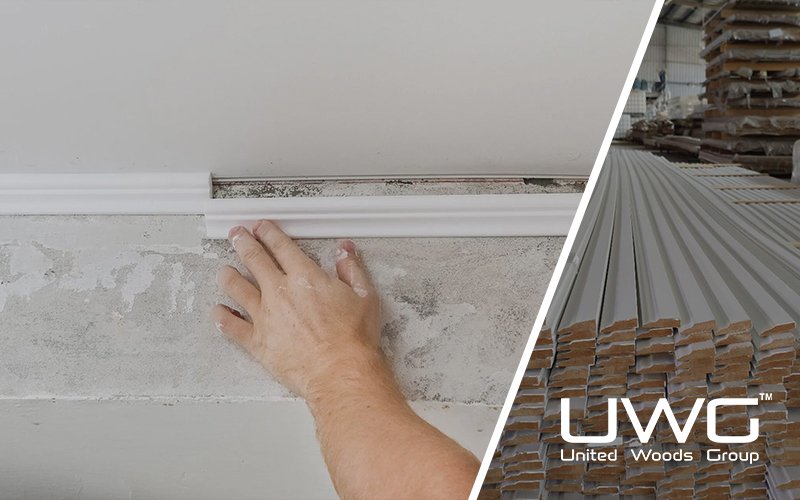
At first glance, you might wonder: If baseboards are already installed along the bottom of the wall, why do we still need shoe moulding? In this guide, we’ll break down what shoe moulding is used for, how it differs from similar trims, the materials available, and why it’s a smart addition to your next project.
Shoe Moulding—also called “shoe base”—is a small but impactful trim used in flooring and interior design. Because floors and walls are rarely perfectly level, gaps often appear where the baseboard meets the floor, creating visible shadows and breaking clean lines. Shoe moulding fills these gaps, improves visual continuity, and gives any space a more polished, intentional look. More than decoration, it solves minor structural issues while enhancing the overall finish of your home.
What Is Shoe Moulding?
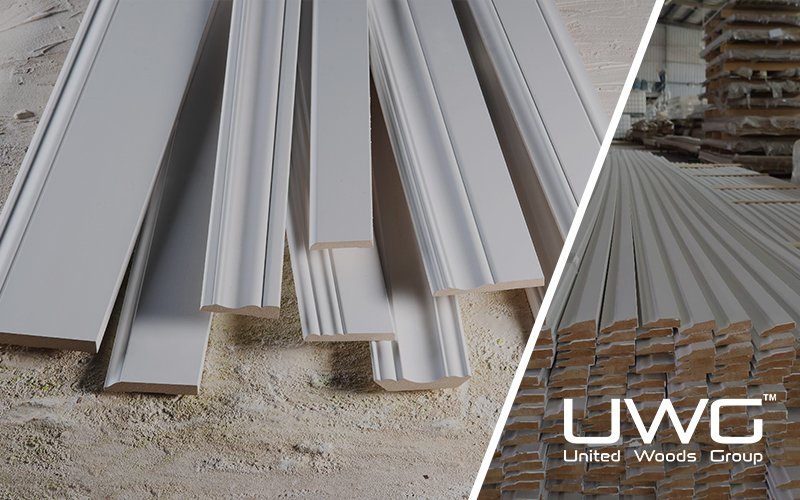
Shoe Moulding is a thin, curved strip of trim installed at the bottom of a baseboard, where the baseboard meets the floor. Its purpose is simple: to hide gaps, protect surfaces, and enhance the overall appearance of a room.
Because floors and walls are rarely perfectly straight, shoe Moulding provides the flexibility needed to close uneven spaces while adding visual softness around the edges.
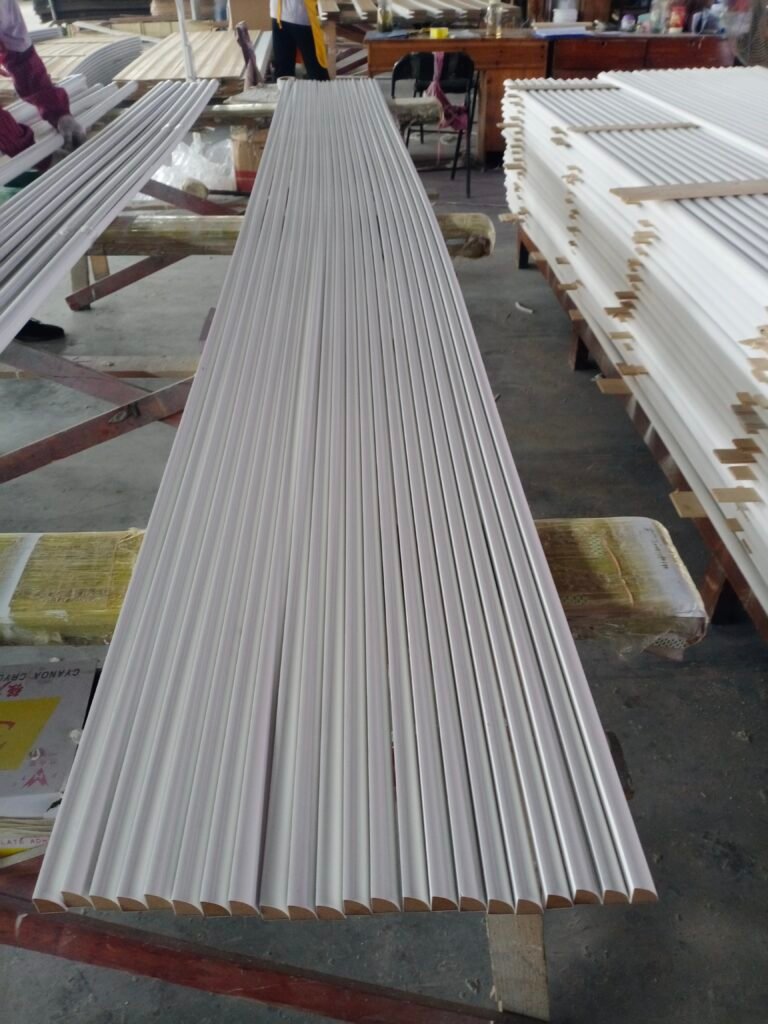
What Is Shoe Moulding Used For?
① Hiding the Gap Between Baseboards and Floors
During flooring installation, small gaps often remain between the baseboard and the floor due to material expansion, uneven walls, or trimming limitations. Shoe Moulding discreetly covers these gaps, giving the room a polished and continuous look.
② Creating a Clean, Professional Finish
Even the best flooring work can look incomplete without finishing trim. Shoe Moulding adds depth and elegance, transforming a basic installation into a refined, finished space.
③ Protecting Baseboards from Damage
Furniture, vacuum cleaners, mops, and other household tools can bump against baseboards. Shoe Moulding acts as a buffer, minimizing scuffs, dents, and long-term wear.
④ Enhancing Decorative Style
Because shoe Moulding comes in various profiles and materials, it contributes to the design theme of a room—modern, traditional, rustic, or minimalist.
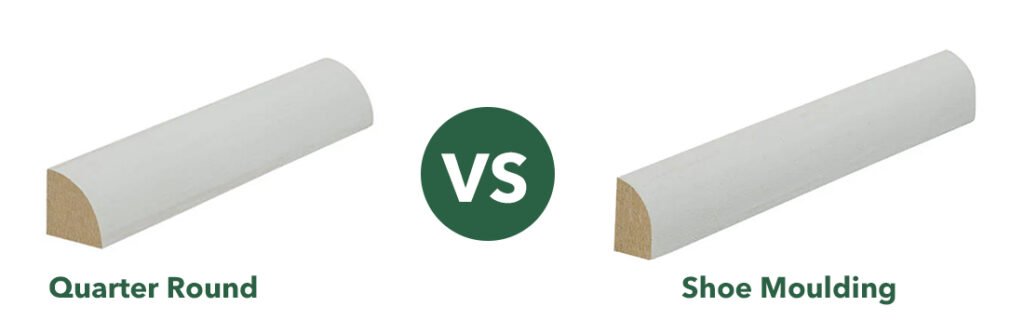
Shoe Moulding vs. Quarter Round: What’s the Difference?
Shoe Moulding and quarter round are often confused, but professionals know they serve slightly different purposes.
| Feature | Shoe Moulding | Quarter Round |
|---|---|---|
| Profile | Slightly curved with a flatter back | Full 90° quarter-circle curve |
| Look | Slimmer, more elegant | Thicker and more rounded |
| Best Use | Decorative finishing with subtle style | Larger gaps or visible transitions |
| Flexibility | Easier to bend with irregular walls | Less flexible |
If you want a more refined, unobtrusive finish, shoe Moulding is usually the better choice.
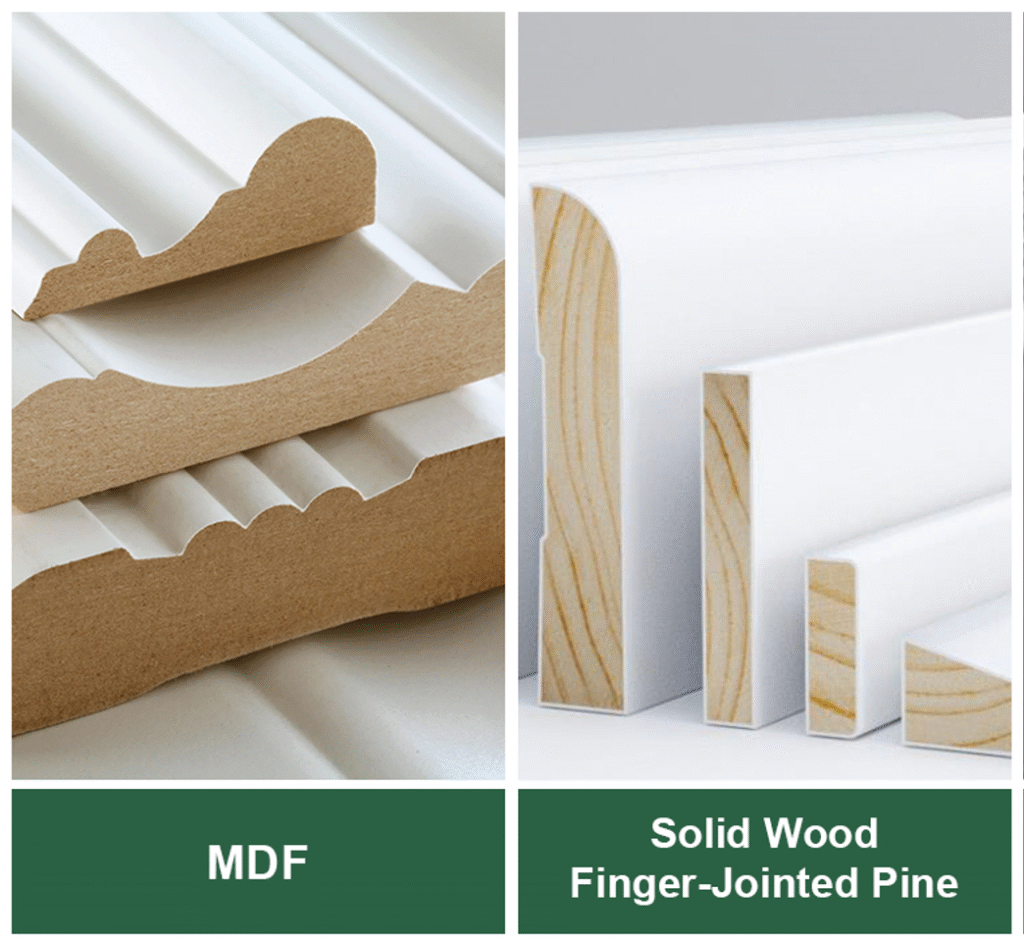
Common Materials for Shoe Moulding
Choosing the right material ensures durability and visual consistency.
• Wood
The classic option. Pros: Paintable, stainable, matches traditional interiors. Cons: Can warp in humid environments.
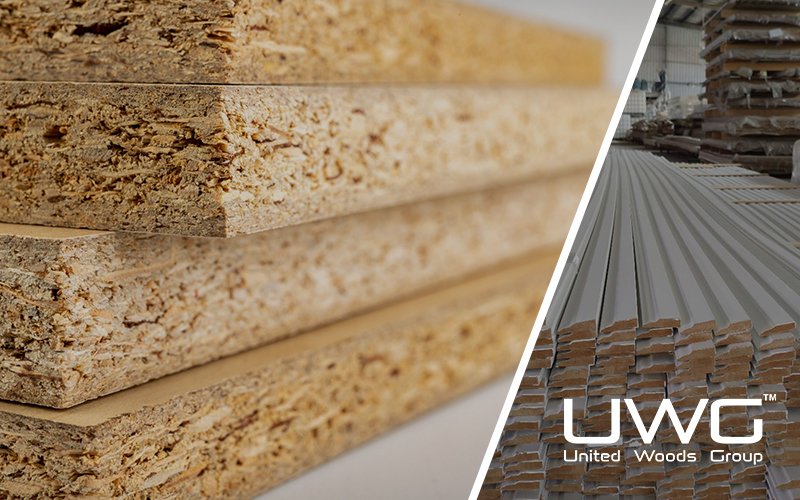
• MDF (Medium Density Fiberboard)
Affordable and smooth. Pros: Great for painting, cost-effective. Cons: Not moisture-resistant.
• PVC / Vinyl
Ideal for kitchens, bathrooms, and basements. Pros: Water-resistant, flexible. Cons: Limited textures.
• Polystyrene
Lightweight and budget-friendly. Pros: Easy to cut, versatile. Cons: Less durable under heavy impact.
Do You Really Need Shoe Moulding?
While not strictly mandatory, shoe Moulding is highly recommended for:
- Homes with uneven flooring
- Rooms with visible gaps under baseboards
- Renovation or new floor installations
- Anyone wanting a clean and professional finish
Without it, even high-quality floors may look incomplete.
How to Install Shoe Moulding (Basic Steps)
Though many homeowners hire professionals, DIY installation is also possible.
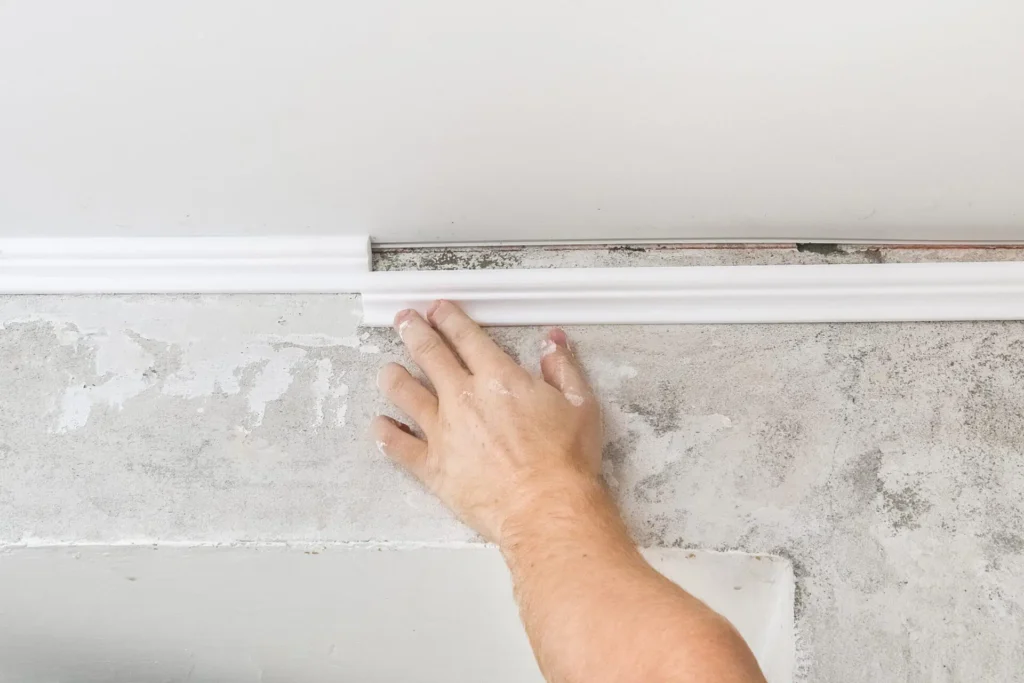
- Measure the room and cut Moulding pieces to size.
- Miter-cut the corners for seamless joints.
- Attach the Moulding using finishing nails or adhesive (depending on material).
- Fill nail holes and caulk the top edge if needed.
- Paint or stain to match your baseboards.
With proper tools and patience, installation can dramatically elevate a room’s appearance.
Conclusion: Small Detail, Big Difference
Shoe Moulding may seem like a minor detail, but it plays a huge role in creating a flawless interior. It hides gaps, adds style, protects your walls, and gives any space a clean, polished finish. Whether you’re upgrading your flooring or finishing a remodel, shoe Moulding is a simple upgrade that delivers professional-level results.
If you’re planning your next home improvement project, don’t overlook this essential trim—sometimes, the smallest details make the biggest impact.