Many builders underestimate the impact trim has on a room’s final look. Choosing baseboards and crown mouldings isn’t just decorative—it’s architectural. With endless options on the market, this guide will help you pick the right style, size, and materials for each project to deliver a polished, professional finish. We’ll break it all down—design, durability, profiles, installation advice, and more.
When buying baseboards and crown mouldings, ensure the trim style complements the home’s architectural design—modern, traditional, or transitional. Choose materials like wood, MDF, or PVC based on the room’s function and moisture levels. Colors should align with the wall or contrast intentionally. Trim height must suit ceiling height—larger rooms need bolder profiles. Always prioritize durable, easy-to-maintain materials and precise sizing to achieve professional-looking finishes, enhance visual harmony, and ensure longevity. Smart trim choices can elevate the entire interior without overspending.
Let’s break down the most common builder questions, trim styles, sizing rules, and expert-level insights so you can choose mouldings that fit both your budget and build quality goals.
How to Pick Baseboards and Crown Moulding?
Selecting trim involves three key elements: function, aesthetics, and compatibility.
Functionality First
Baseboards aren’t just decorative. They protect drywall from damage by furniture, vacuums, and foot traffic. Crown mouldings, while mainly aesthetic, can hide uneven ceiling lines and add elegance.
Room-by-Room Considerations
- Kitchens: Use moisture-resistant materials like PVC or prefinished trim.
- Living rooms: Consider large, ornate crown mouldings for luxury impact.
- Bedrooms: Mid-sized baseboards with soft profiles create a cozy vibe.
- Bathrooms and basements: Use waterproof and mold-resistant materials only.
Consistency Across Spaces
All trim doesn’t need to match exactly, but it should feel cohesive. For example, you can use different sizes of the same trim moulding profile in various rooms to keep design harmony.
Budget vs. Long-Term Quality
- MDF is cheap but may swell if exposed to moisture.
- Pine or Poplar is mid-priced and easy to paint or stain.
- PVC or polyurethane lasts longer, especially in high-humidity areas.
What Is the 7 Rule for Baseboards?
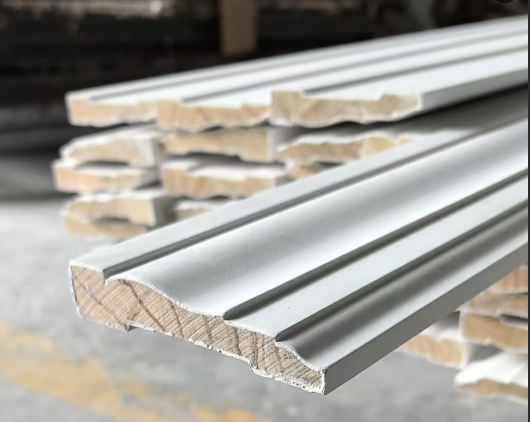
The “7% rule” is a quick formula to get visually balanced baseboards:
Baseboard height = 7% of total room height.
Sizing Examples:
This isn’t a fixed rule—modern homes often feature lower-profile trims (3–5″) for a cleaner, minimal look. Conversely, historic or formal homes benefit from oversized baseboards.
- 8-foot ceilings → 7-inch baseboards
- 9-foot ceilings → 7.5–8 inches
- 10-foot ceilings → 8–9 inches
Tip: If you’re also installing picture rail or panel moulding, baseboards can be smaller to avoid a “busy” look.

What Is the Rule of Thumb for Crown Moulding?
Here’s how to get crown size right based on ceiling height:
| Ceiling Height | Recommended Crown Size |
|---|---|
| 8 feet | 3″–5″ |
| 9 feet | 5″–7″ |
| 10+ feet | 7″–9″+ or layered trim |
Match Room Style:
- Casual Spaces: Use simpler, narrow crown mouldings
- Formal Rooms: Go bold—multi-layered crown mouldings up to 24” work well
- Modern Homes: Use flat stock trim with minimal detailing
Some builders use cove mouldings for a soft curve, especially in transitional interiors.
Difference Between Crown Moulding and Baseboards
Though often bought together, baseboards and crown mouldings serve different purposes:
| Feature | Crown Moulding | Baseboards |
|---|---|---|
| Placement | Top of wall (ceiling junction) | Bottom of wall (floor junction) |
| Purpose | Aesthetic / ceiling finish | Wall protection / floor transition |
| Visual Impact | Makes ceilings feel taller | Frames and grounds a room visually |
| Common Size Range | 3″–9″ or more | 4″–8″ typically |
| Installation | Requires angled cuts, often coped | Easier to install, straight cuts |
Use both together for a complete, framed architectural look.
Types of Trim Moulding Profiles
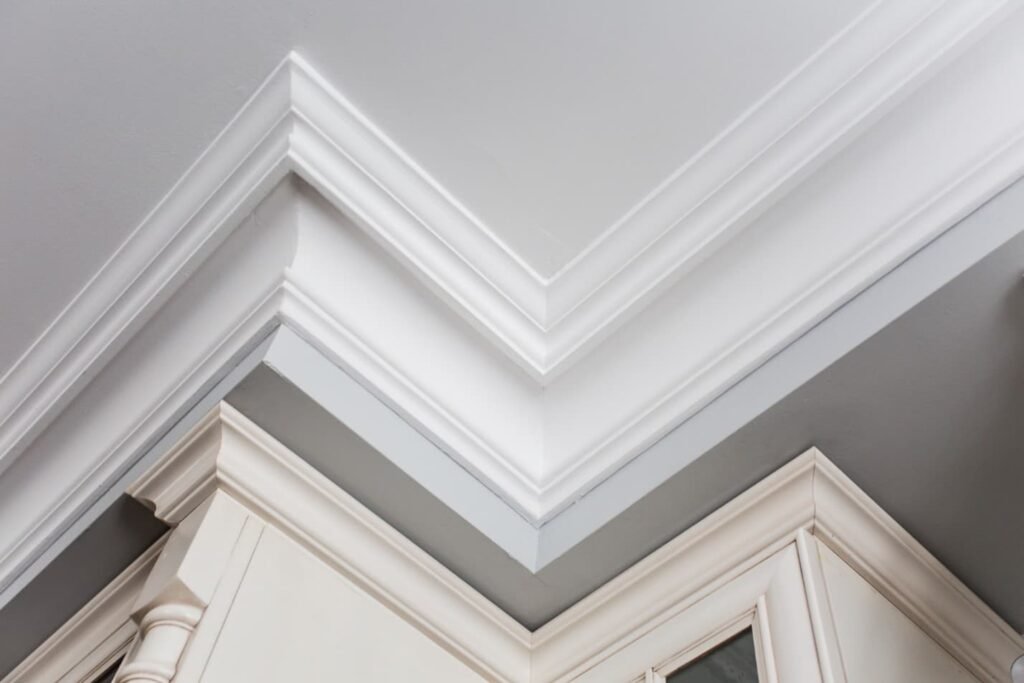
The profile (shape/design) of trim determines how traditional, modern, or elegant the finish feels.
Common Trim Moulding Profiles:
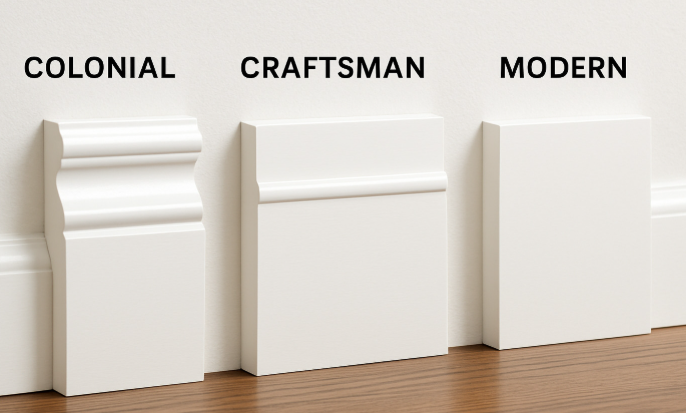
- Colonial: Rounded and detailed. Perfect for classic homes.
- Craftsman: Angular and flat. Often used in bungalows and modern rustic interiors.
- Modern: Sharp square edges or completely flat boards.
- Ornamental: Layered, curved, sometimes with carved patterns. Best for upscale spaces.
When choosing trim moulding profiles, consider:
- The home’s architecture
- Window and door casings
- Flooring type (wood vs tile)
Types of Moulding for Walls and Ceiling
Beyond baseboards and crowns, builders can create more dimension using:
- Chair Rail Moulding: Installed 32–36″ from floor. Used to break up wall design and protect from chair damage.
- Picture Rail Moulding: Placed near the ceiling. Allows for artwork hanging without damaging walls.
- Wainscoting Panels: Often added below chair rails.
- Panel Moulding: Frames shapes on walls. Adds luxury.
- Ceiling Trims (Cove, Tray): Creates depth in tray or coffered ceilings. Often used with indirect lighting.
These mouldings let you layer detail for a bespoke interior design.

Baseboard Mouulding Types & Interior House Trim Styles
Common Baseboard Types:
- Flat Baseboard Trim: Clean, minimal, and easy to match.
- Rounded / Bullnose: Soft edges, ideal for families and children.
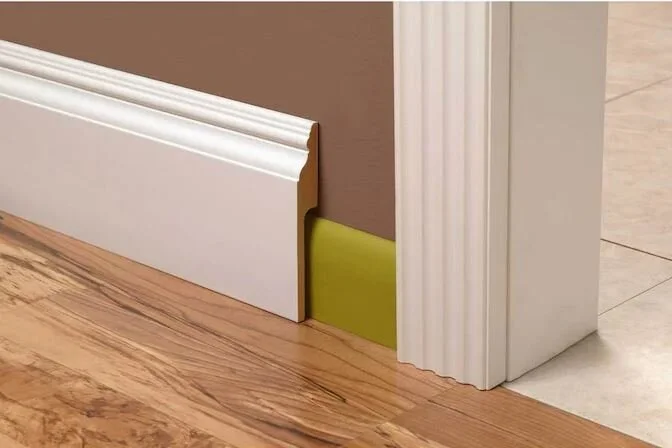
- Stepped Baseboard: A gentle curve or indent adds visual interest.
Popular Trim Styles in 2025:
- High baseboards (8″+) in open-concept homes
- Matching baseboard and crown moulding for symmetry
- Black or dark gray trim for bold, modern aesthetics
- Seamless painted trim (same color as wall) for a cohesive look
Tip: Use taller trim in rooms with high ceilings to avoid it looking “shrunk.”
Pro Builder Tips: Material, Install & Mistakes
Best Materials for Trim:
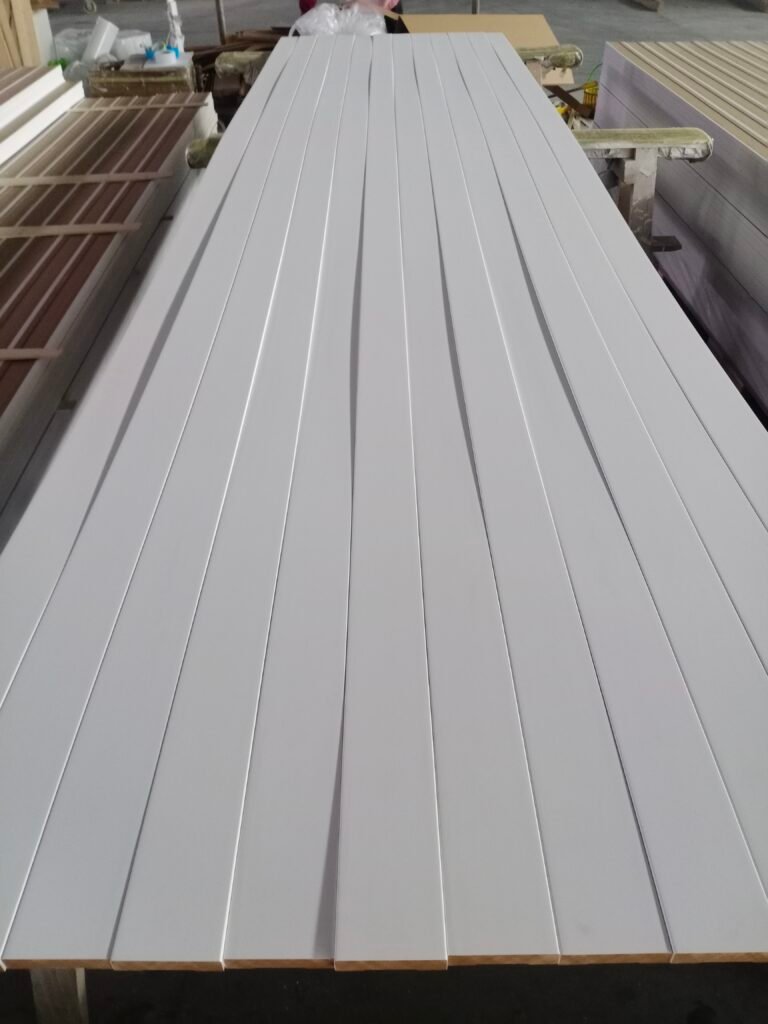
- MDF: Affordable, paint-ready. Avoid in high-humidity areas.
- Finger-jointed Pine: Good compromise between cost and durability.
- PVC/Polystyrene: Lightweight, rot-proof—ideal for bathrooms and basements.
Installation Pro Tips:
- Prime and lightly sand all trim before installing
- Use construction adhesive + nails for better bond
- Caulk gaps with paintable caulk for seamless look
- Paint after install for color consistency
Avoid These Mistakes:
- Installing crown without checking for uneven ceilings
- Using different baseboard styles in connected spaces
- Not matching trim size to ceiling height
- Forgetting corner blocks or rosettes for transitions
Summary
Choosing the right moulding adds more than elegance—it adds value and polish. Stick to the proper sizing rules, select durable materials, and choose profiles that match your project’s architectural story. Whether you’re remodeling or building new, the right trim is your secret to a high-end, cohesive finish. Bookmark this guide and refer back during your next build.