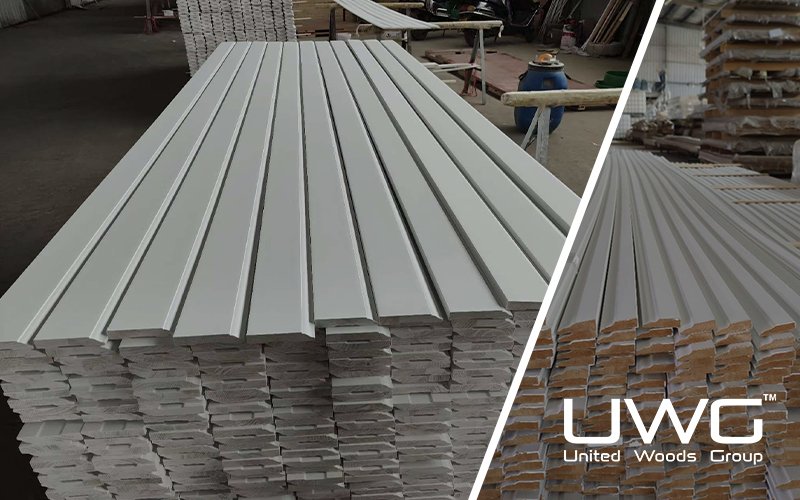
Baseboards are more than decorative edges — they protect walls from damage, help seal gaps, and create a finished look in every room. As a builder, choosing between pine and MDF baseboards isn’t just about style. The wrong choice could lead to callbacks, paint failures, or material damage — especially in high-traffic or moisture-prone spaces.In this guide, I’ll walk you through a complete comparison of pine vs MDF baseboards, highlighting the pros, cons, cost, durability, and application tips so you can match the right material to the right project — and client.
Pine baseboards are stronger and better suited for high-traffic or moisture-prone areas like entryways and kitchens. They resist dents and damage, offering long-term durability. MDF baseboards, on the other hand, are more budget-friendly and provide a smooth, flawless surface ideal for painted finishes. They’re lightweight, easy to cut, and consistent in size — perfect for interior trim. However, MDF is highly susceptible to moisture and can swell or warp over time, making it a poor choice for bathrooms or damp environments.
Now let’s break down their pros, cons, costs, and real-world performance so you can choose the right baseboard material for every type of project.
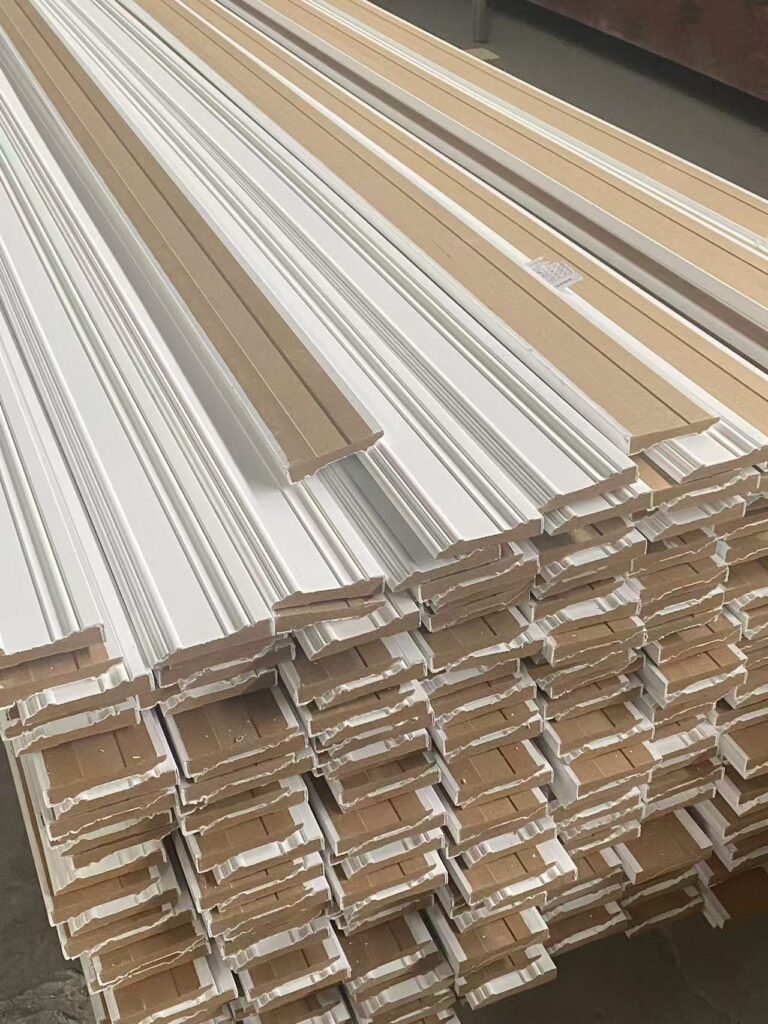
What are the Pros & Cons of MDF baseboards?
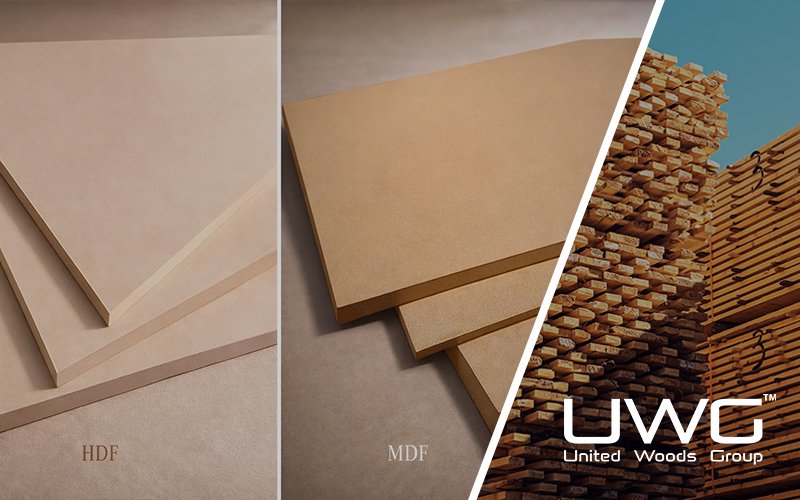
MDF (Medium-Density Fiberboard) is engineered from compressed wood fibers and resin, offering an incredibly smooth, uniform finish. It’s an excellent choice if your priority is clean paint results and cost savings.
Pros of MDF baseboards:
- Cost-effective: Typically 20–40% cheaper than pine, ideal for budget projects.
- Smooth surface: No grain, knots, or imperfections, giving flawless paint finishes.
- Easy to work with: Cuts easily with standard tools, and miters cleanly.
- Availability: Sold in various profiles and lengths, including pre-primed options.
Cons of MDF baseboards:
- Not moisture-resistant: Swells and crumbles when exposed to water or humidity.
- Less durable: Dents easily when bumped with vacuums, furniture, or shoes.
- Brittle edges: Can chip or split during nailing or if dropped.
For interior dry areas, MDF is a great low-cost option — especially if the trim will be painted. Avoid it near bathrooms or entryways.
What are the Pros & Cons of Pine baseboards?
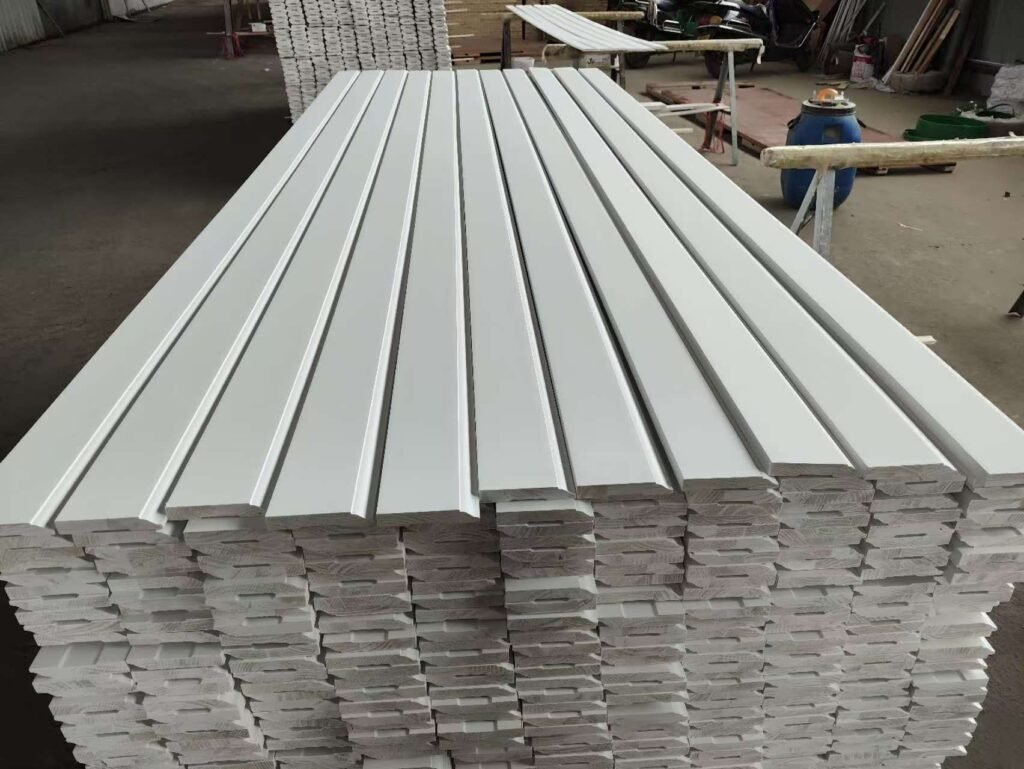
Pine baseboards are made from solid softwood, typically either clear pine or finger-jointed varieties. While more expensive, pine offers a natural grain, better durability, and more flexibility in finishing options.
Pros of Pine baseboards:
- Greater strength: Resists impacts better than MDF, especially in busy households.
- Wood grain appeal: Can be stained for natural looks or painted for versatility.
- Easier to repair: Small dents or scratches can be filled and sanded.
- Nails hold better: Pine doesn’t split easily and grips fasteners securely.
Cons of Pine baseboards:
- More expensive: Can cost 30–50% more than MDF, depending on grade.
- Inconsistent grain: Requires more prep work for painting (filling knots, sanding).
- Natural defects: Warping or cupping possible if not properly acclimated before install.
Pine is ideal for custom homes, traditional interiors, or anywhere clients want quality over cost-cutting.
How strong is MDF vs Pine for baseboards?
When it comes to strength, pine wins — hands down. Pine’s solid wood composition holds up better to bumps, nicks, and occasional moisture. MDF is denser but more brittle, meaning it’s prone to denting and edge chipping.
In areas like hallways, staircases, or mudrooms, pine outperforms MDF in long-term durability. If a vacuum or kids’ toys frequently hit the trim, MDF will show wear fast.
However, MDF is more stable dimensionally, which means it’s less likely to expand and contract with temperature shifts. This can result in tighter joints and fewer cracks in caulk lines — as long as the space stays dry.
Is Pine better than MDF for baseboards?
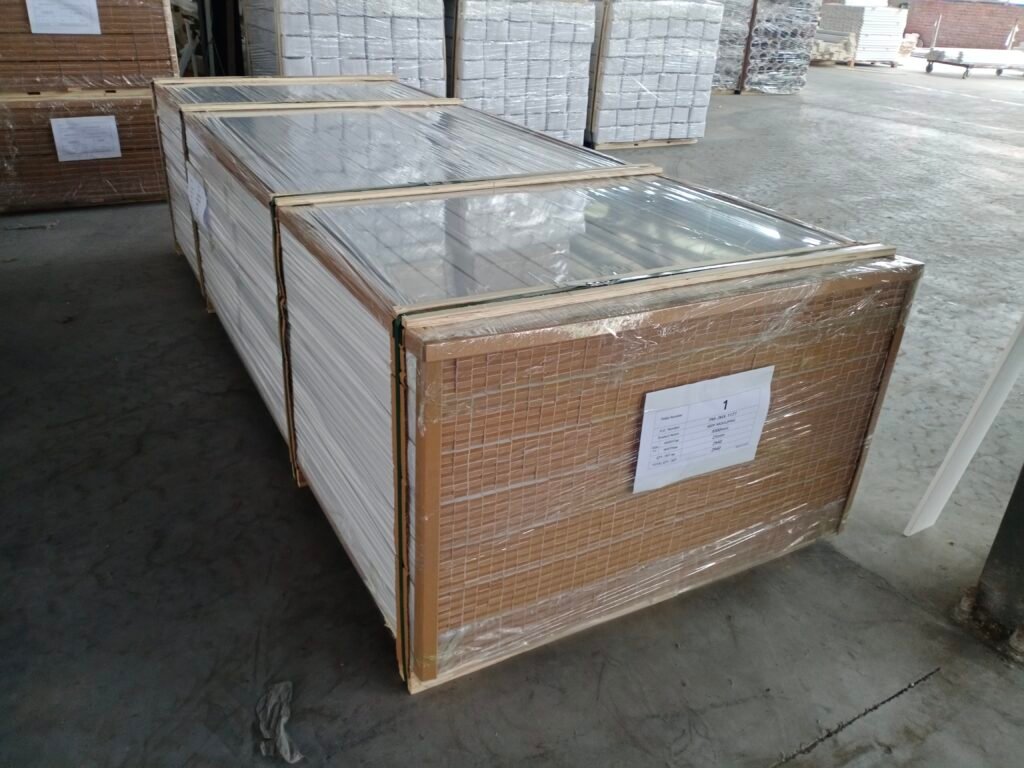
In many ways, yes — pine is better than MDF for baseboards, depending on the priorities of your project. Pine, being a natural wood, offers greater strength, durability, and resistance to impact. It handles wear and tear better in high-traffic areas, making it a preferred choice in homes with pets, children, or heavy foot traffic.
Pine baseboards are also easier to repair if they get dinged or scratched. A bit of sanding or wood filler can restore them, whereas damaged MDF often needs to be replaced entirely.
On the flip side, MDF is more budget-friendly and provides a very smooth surface ideal for painting. It’s also easier to cut and miter, especially for beginners or high-speed production. But MDF’s lack of moisture resistance and lower impact durability make it a poor choice in areas prone to humidity or frequent contact.
In summary:
- Choose pine when durability and longevity matter
- Choose MDF when you need a smooth, paint-ready finish at a lower cost — in dry, low-impact spaces
It’s not that one is universally better — it’s all about choosing the right material for the right application.
What’s the difference in cost between MDF and wood baseboards?
Let’s talk numbers.
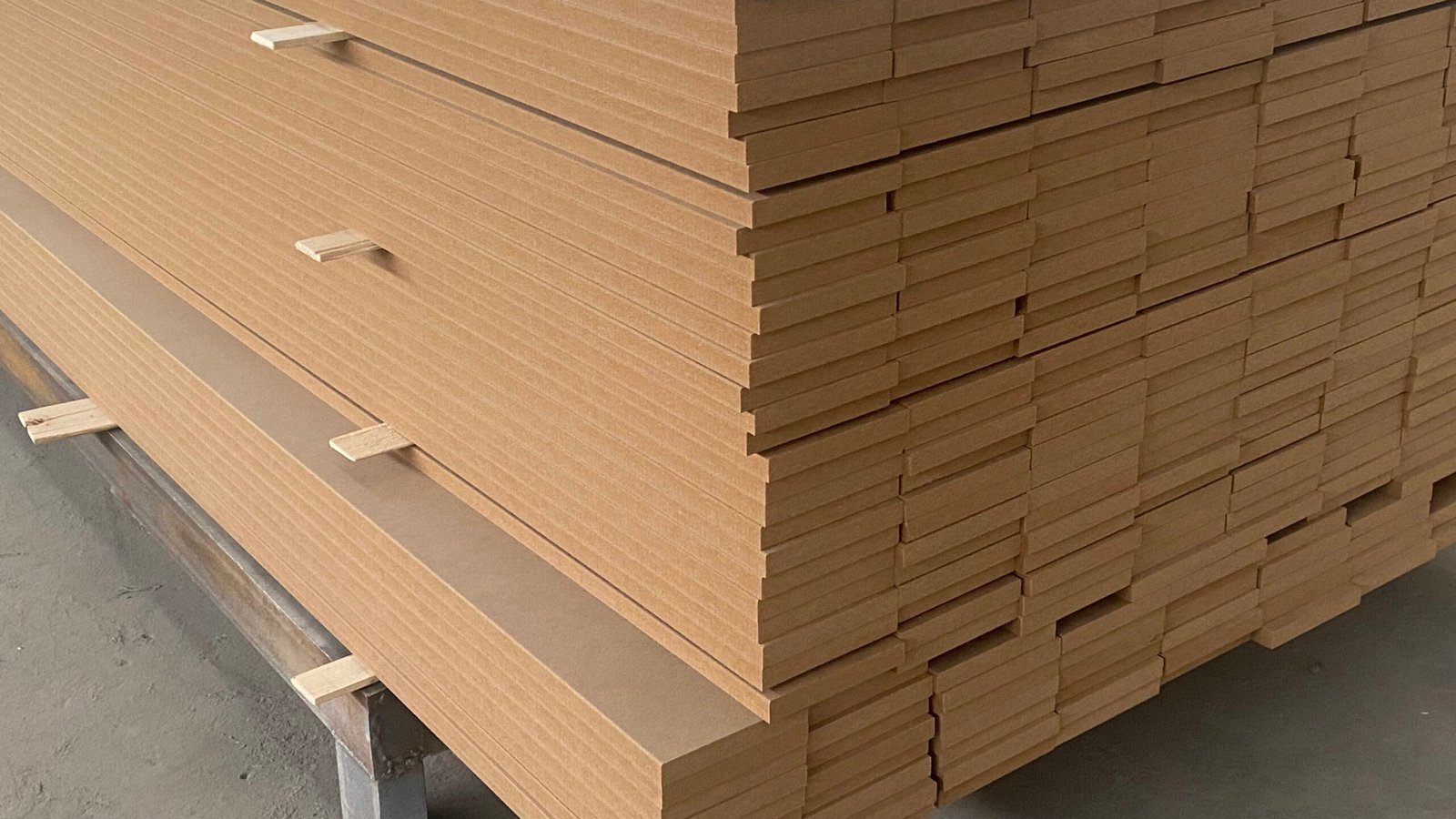
- MDF baseboards range from $0.65–$1.00 per linear foot.
- Pine baseboards cost about $1.20–$2.00 per linear foot, depending on grade.
For a 1,200 sq ft home needing about 500 linear feet of baseboard:
- MDF might cost: $325–$500
- Pine might cost: $600–$1,000
If you factor in painting, repairs, and long-term wear, pine may offer better value over time — especially in high-traffic areas.
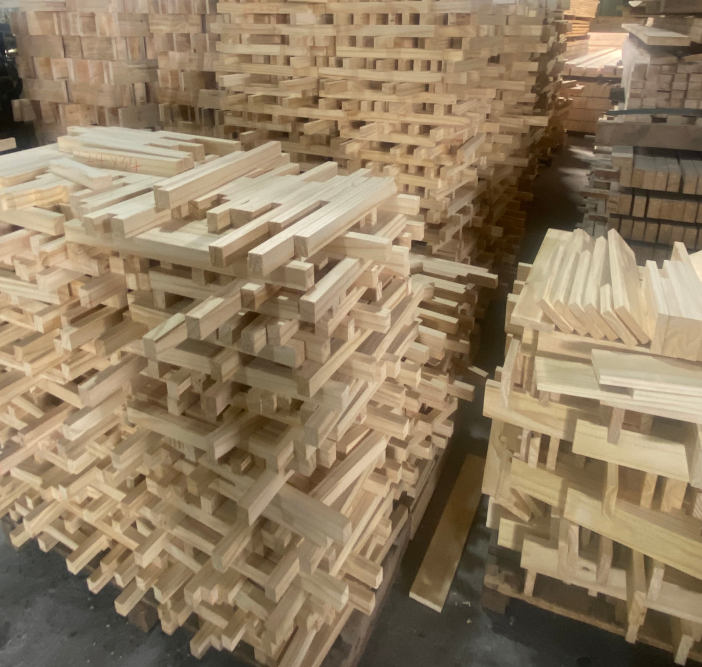
Pine Baseboards VS MDF Baseboards
| Feature | Pine Baseboards | MDF Baseboards |
|---|---|---|
| Durability | Strong and dent-resistant; ideal for high-traffic areas. | Prone to dents and chips; less suitable for busy spaces. |
| Finish & Paintability | May require sanding and priming; grain may show through paint. | Extremely smooth and consistent surface; ideal for painted finishes. |
| Moisture Resistance | Moderate resistance, but can warp if unsealed in humid environments. | Poor moisture resistance; swells and crumbles in damp conditions. |
| Ease of Installation | Nails well and holds fasteners securely; slightly harder to miter cleanly. | Easy to cut and shape; brittle edges can chip if not handled carefully. |
| Cost Efficiency | Higher upfront cost, but longer lifespan in high-use areas. | Budget-friendly; great for large projects and low-traffic rooms. |
| Eco-friendliness | Renewable resource when FSC-certified; natural material. | Often made from recycled wood fibers; may contain formaldehyde-based resins. |
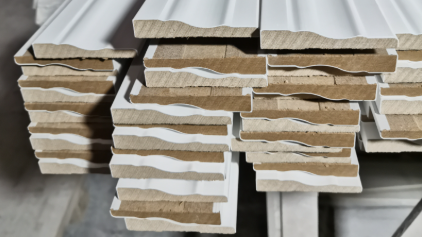
Summary
Choosing between pine and MDF baseboards depends on the space, budget, and expectations. Use MDF for cost-effective, painted trims in dry areas. Go with pine for strength, natural beauty, and long-term durability. Still undecided? Think about the room’s use — and build for that. What’s your go-to baseboard material? Leave a comment or tip — we all learn more from the field.